


latest News

How Food Service Workers Can Find Comfortable Shoes
Food service workers spend long hours standing and moving around, which puts big demands on their feet. Whether you work in the kitchen or wait tables, your shoes should provide comfort during your shift. Having strong, healthy feet that feel good at the end of a shift starts with picking the right shoe. You're about to discover that what most people think are the best shoes for service workers, could actually be the cause of the foot, knee, hip, and back issues that you feel at the end of a double. Then you’ll find the (possibly surprising) best shoes for food service and restaurant workers. What is The Best Shoe for Restaurant Workers? The ideal shoes for service industry workers go beyond simply providing comfort. They are shoes designed to enhance your performance in fast-paced and dynamic food service environments and, ideally, leave your feet and the rest of your body feeling good at the end of the day. The best shoes for food service workers have the following qualities: Non-slip: Slip and fall accidents are the most common injury among kitchen staff, due to contact with wet, slippery, and greasy surfaces. Employees should have a good pair of slip-resistant shoes that have tread for increased grip and traction. Comfortable: For food service employees working long shifts and on their feet all day, shoes should offer natural comfort. Servers, in particular, will rely on comfortable shoes as they walk from table to table. But, as you'll see, genuine comfort may come from a different source than you think. Lightweight: This one is simple. The heavier the shoe, the more energy you use to move your legs. The lighter the shoe, the better you can feel. Durable: Service workers wear shoes for long shifts, and for months at a time. Long-lasting shoes will cost food service employees less in the long run, by not having to frequently get replacements. Protective: shoes must protect your feet from all kinds of spills and other accidents. Easy to clean: Whether you're doing customer service or food preparation, your shoes can get messy fast. You need to be able to clean them after stepping on dropped food items or spilling Table 5's drinks on yourself. So what kind of work shoes offer all these features and even some additional benefits? Contrary to what many people believe, but now thousands of service workers have discovered, barefoot shoes give you all the features and benefits above. I’m a chef and I spend all day on my feet. I’ve tried everything from clogs, boots, memory foam, you name it. I wear a minimalist / barefoot shoe to the gym and I was thrilled that there is a version I could wear to work. Light, comfortable, easy for a 12-14+ hour day. These are hands down my favorite shoes and I have been telling everyone that will listen that they should try them. Why Barefoot Shoes for Food Service Staff? Many food service workers may have heard of “barefoot shoes”, but may not understand how they differ from traditional shoes and why those who’ve made the switch will never switch back. Barefoot shoes give restaurant and food service industry workers: Natural comfort. Working in food service, you’ll need comfortable shoes as you move around or carry heavy plates. Traditional shoes have narrow toe boxes that cause pressure and discomfort. Barefoot shoes feature wider, foot-shaped toe boxes that let your toes wiggle and move freely, offering maximum comfort and improved balance and stability. Proper posture. Shoes with a thick sole can affect your balance by elevating your center of gravity and reducing sensory feedback you receive touching the ground. Barefoot shoes have a thin, protective sole that keeps your foot completely level to the ground, letting your body have natural posture. Agility and mobility. You have over 200,000 nerve endings in each foot! This is so your brain can feel what you're stepping on or in, and then tell your body how to move effectively and efficiently. Typical shoes with thick and stiff soles block your feet from being able to feel the ground beneath you. Food service jobs demand quick movements, precise footwork, and the ability to navigate crowded spaces. Barefoot shoes, with their thin and flexible soles, offer a heightened proprioception and sensory feedback to make you more nimble. Lightweight. Barefoot shoes weigh much less than anything else you've put on your feet, so you're spending less energy throughout your shift. Imagine coming home from doing a double and forgetting that your shoes are even on your feet because they're so comfortable and lightweight. The Perfect Shoe For Food Service Employees Introducing The Prio All Day SR The Xero Prio All Day SR is a non-slip barefoot shoe worn by many in the food service industry. Food service or restaurant employees – from chefs and cooks to waiters and bussers – will love the feel of these shoes. That’s why America's number one barefoot shoe company made this specific shoe, at the request of thousands of food service workers. Here are some great features that the Prio All Day SR offers: A wider, foot-shaped toe box that lets your toes spread, relax and move freely Zero heel-to-toe drop for proper posture Thin, flexible sole for enhanced balance, agility, and mobility Non-slip tread for grip on wet, oily, and slippery surfaces, so chefs, food prep and other kitchen workers better avoid the risk of a slip and fall accident. Durable black leather is protective, easy to clean, and matches any outfit Lightweight. A men’s size 9 is 9.1 ounces per shoe, and a women’s size 7 is 7.5 ounces per shoe. They are so light, you won’t even notice you have them on during your shift! Don’t just take our word for it… Food service and restaurant staff members rely on wearing the Prio All Day SR: I bought these shoes for waiting tables. My last pair of shoes had me barely able to walk after the ride home from work. My first day with my all day Prios after returning home from a 13 hour double and I did jumping jacks! I have been doing several things in my life, living barefoot while guiding students at a survival school, a ballet dancer as a child/teen, and every position you can think of in a restaurant for the past 26ish years, and these shoes are the best I have EVER had. I’m a chef de partie in a restaurant and I ordered these shoes to use as a kitchen shoe. Kitchen shoes have to be waterproof and anti-slip and these are great. I just had to get used to that more leather feeling than the breathability of other xero shoes. But once they break in they're extremely comfortable and it's easy to forget you have them on. A great shoe for someone with a job like me. Read more reviews about the Prio All Day SR from men and women! Stay Comfortable and Safe Wearing Barefoot Shoes Wearing barefoot shoes, you can keep working those long shifts and stay on your feet for hours on end. The Prio All Day SR has everything you need in a food service shoe. Your feet and body will thank you! Prio All Day SR Men | Prio All Day SR Women
Can Barefoot Shoes Help with Posture? What to Know
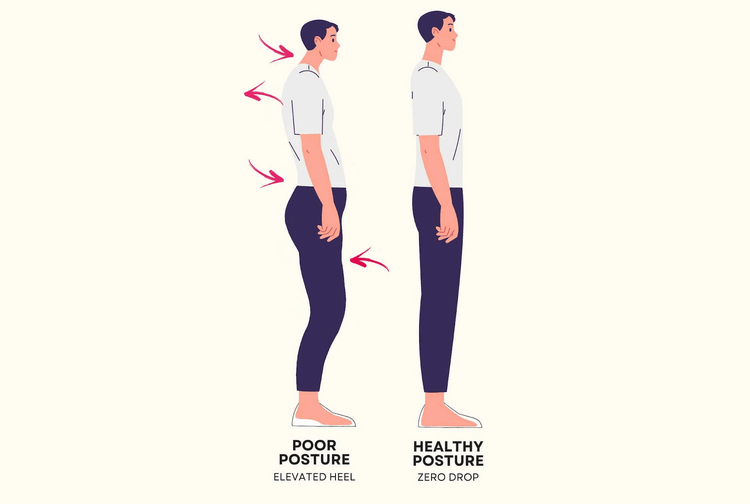
How Can Barefoot Shoes Help With Posture? Excellent posture is not just about your physical appearance - it’s a cornerstone of your long-term health. And believe it or not, the secret to achieving better posture lies beneath your feet. The footwear you choose can negatively impact your posture. The right type of shoes can help correct posture, providing comfort and better alignment for your body. Let's take a look at posture to see how the wrong footwear can cause problems, and how the right footwear could help your posture. What Does Healthy Posture Look Like? Proper posture means that your spine should be properly aligned when you stand. There are natural curves in your lower back, mid back, and neck, but excessive curvature in any of those places or flattening in any of those places can be problematic. There are two types of posture: dynamic and static. Dynamic posture is how your body aligns during movement, for instance, walking, running, or bending over to pick up something. Static posture is how your body aligns when you are not moving, like sitting, standing, kneeling, or lying down. How Bad Posture Affects the Body Many people take good posture for granted until they notice negative effects. Poor posture can have far-reaching consequences that affect our physical well-being. Here are some of the effects of bad posture to be mindful of: Misalignment of the musculoskeletal system Poor circulation Imbalances in the body Pain in the back or neck Increased number of injuries Stress on the ligaments and joints Lack of range of motion Decrease flexibility Tight muscles Weakened muscles Difficulty breathing Poor balance Decreased efficiency in daily life or athletic performance What Causes Bad Posture? Several factors contribute to poor posture. You may be doing some of these things and not even realize it. Here are some common causes of poor posture: Prolonged periods of sitting: Having a sedentary lifestyle, you spend prolonged periods sitting or hunching over a desk, which can negatively affect posture over time. Not getting enough exercise can weaken the muscles that support your posture. Carrying excess body weight can strain the musculoskeletal system. Poor ergonomics in the workplace. This can commonly include improper desk setup, sitting for long periods of time, or incorrect positioning of computer screens. Sleeping position: Sleeping in positions that do not support proper spinal alignment. Stress, anxiety, and emotional tension leads to muscle tightness and increased muscle tension. Wearing improper footwear. Shoes can affect posture, disrupting your foot's natural ability to offer a stable base for your body. At this point, you may be thinking, “what is improper footwear?”. We’ll review characteristics of shoes that can negatively affect posture, and what kind of footwear can help you have correct natural posture. The Problem With “Normal” Shoes Many “regular” shoes can actually cause posture problems.. Here’s how shoes can impact posture: Elevated heels of “normal shoes” move your center of mass forward. This alters the body's natural alignment and can put extra pressure on the balls of the feet, ankles, hip, knees, or back to adjust for that change in center of mass. Padding that “normal shoes” typically have can negatively affect your posture. When foam cushioning wears out unevenly it can misalign your feet and ankles, which creates issues for your knees, hips and back. The narrow toe box of most conventional shoes can squeeze toes together and hinder natural toe splay. This can affect the overall stability of the feet, affecting the body's balance and posture. Thick, Stiff Soles reduced sensory feedback affecting proprioception and balance. Your feet need to provide sensory information to your brain so you can move your body effectively and efficiently. When we lose touch with the ground, our body may lose its ability to make micro-adjustments that help us maintain proper dynamic posture. How does this compare to barefoot shoes? They don’t have these issues. How Barefoot Shoes Can Help With Posture Barefoot shoes are designed to help improve your posture. While regular shoes can negatively impact posture, barefoot shoes mimic the feeling of being barefoot while providing the appropriate protection for your feet. Barefoot shoes can help improve posture in a few ways: No Heel-Toe Drop: Most shoes have an elevated heel, which shifts your center of mass forward. This forces you to adjust with your ankles, knees, hips, and back. Where you will feel the stress depends on which one of these joints is least supported by your muscles, ligaments, and tendons. Barefoot (or “minimalist” ) shoes do not elevate the heel. This can keep the body in a neutral alignment and keeps the body weight centered over the feet. Thin (but protective), Flexible Soles: Barefoot shoes have a thin yet protective sole, so you can safely FEEL to ground and give your brain the feedback needed to make dynamic postural changes. Wider, Foot-Shaped Toe Box: In the same way spreading your fingers provides balance doing pushups, spreading your toes provides you with better balance while you stand, walk or run. Barefoot shoes feature a wider toe box, which gives your toes the freedom to spread out for better balance, stability, and posture. Additional Tips to Improve Posture Aside from wearing barefoot shoes, here are some other tips to improve your posture that you can begin including in your daily routine: Be Mindful: Being aware of your posture, whether sitting or standing, is essential. Take a moment to check in with your body throughout the day. Make sure your body is properly aligned. Take Regular Walking Breaks: If you have a sedentary desk job, it's important to incorporate movement throughout the day. Set reminders to get up and take short walks, stretch, or do simple exercises. Vary your movements: By doing a variety of movements, you can help strengthen the muscles that support proper posture. This promotes muscle balance, flexibility, and core stability - all of which contribute to improved posture. Maintain a Healthy Weight: Carrying excess weight can place additional stress on your muscles, joints, and ligaments, affecting your posture. Strive to maintain a healthy weight through a balanced diet and regular exercise. What people are saying about improved posture and barefoot shoes from Xero Shoes.. “I work as an ER charge nurse and I’m on my feet nonstop for 12 hour shifts. I recently purchased the prio shoes to use for work and they have been amazing. I was even told that I appear to be walking with better posture. Hopefully I can help others discover the benefits of these shoes.” “I’m on my feet for 12+ hours and I needed shoes that give my feet plenty of support and that fit my foot. The barefoot feeling is ideal for my posture and for the anatomy of my foot. This is my second pair of Xero shoes and they did not disappoint!” Making the Switch to Barefoot Shoes If you’re ready for improved posture, it’s time to slip into a pair of barefoot shoes. Switching from a “normal” shoe to a barefoot shoe may be a bit of an adjustment, given the differences between the two. The phrase “transition slowly” is a common recommendation people will tell you. And while this isn’t wrong, transitioning to barefoot shoes is less about how quickly or slowly you make the change, and more about HOW you make the transition and not the length of time it takes. FEEL What You’ve Been Missing; Natural Comfort, Posture, and Health Barefoot footwear helps you FEEL the ground you’re walking on, and comes in many different styles of shoes, sandals and boots. Not sure what type or style of shoe you want? Use this shoe finder quiz to find a few recommended shoes for you. The content of this post does not constitute and is not intended to be a substitute for professional medical advice, diagnosis or treatment. Always seek the advice of a physician or other qualified health provider with any questions or concerns you may have about your health or a medical condition.
Why Every Runner Should Wear a Minimal Shoe... sometimes
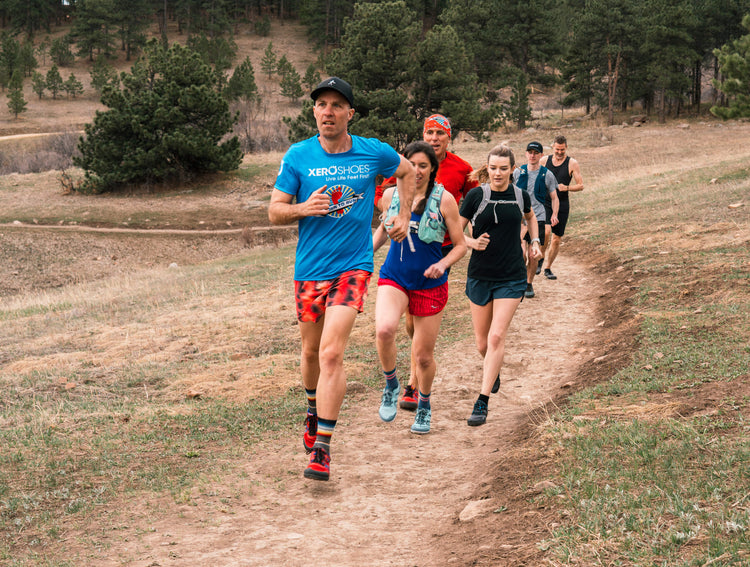
Xero Shoes' partner, renowned running coach and author Eric Orton, coaches elite and age group athletes, including runners for distances from 1500m to 240 miles, Ironman triathletes, cyclists, and more. In his latest article for Marathon Handbook, Eric shares why runners should wear a minimal shoe... sometimes. Eric's top reasons: Minimal shoes give your body instant feedback on running form and can improve efficiency Use minimal shoes as a tool to build strength and stability Minimal shoes not only feel lighter, but less cushioning between your feet and the ground helps you to lock in your natural running Unlock the mechanics of forefoot and midfoot strikes, which contribute to improved efficiency and biomechanics Watch the video below, and read Eric's full article here.

Organizations That Use Running to Empower Women
For women, running can be a powerful tool for empowerment and self-discovery. Running teaches women many physical, mental, and even social skills, when running in a group. It helps build confidence, reduce stress, and promote a sense of accomplishment and independence. Women of all ages join running groups that can help strengthen community bonds and offer a supportive environment for self-growth. Running delivers lessons on confidence and character and provides strength in the face of adversity. Running is one of the most accessible activities in the world - all you need is a good pair of running shoes and proper clothing. This article will show you how running can empower you, introduce organizations that recognize the power of running, and use running to make a difference in women’s lives around the world. Whether you're an experienced runner or just starting out, let's celebrate the power of running to transform lives and communities. What Factors Are Important For Women's Empowerment? Empowerment is the process of becoming stronger and more confident, especially in controlling one's life and claiming rights. The European Institute for Gender Equality defines women's empowerment as "the process by which women gain power and control over their own lives and acquire the ability to make strategic choices". Several factors contribute to women's empowerment. Some of the most important include: Access to Education Women who have access to education are better equipped to make informed decisions about their lives. This helps them participate in the workforce, and advocate for themselves and their families. Economic Empowerment Women with financial independence are more likely to have control over their lives and make decisions about their futures. This can be achieved through equal pay, access to credit and loans, and job training programs. Healthcare Access to quality healthcare is critical for women's well-being and ability to lead healthy and productive lives. This includes access to reproductive and maternal health services. Gender Equality Women face gender bias in education, employment, politics, and more. Achieving gender equality requires breaking down systemic barriers and addressing gender-based discrimination. Safety Women need to feel safe in their homes and communities in order to fully participate in society. This includes addressing issues such as domestic violence, sexual assault, and harassment. Representation Having women represented in leadership roles is crucial for ensuring that their needs are met. Empowering women to be part of decision-making processes, instead of others speaking for them, will help their voices be heard. Benefits of Running for Women Regular running can provide a wide range of mental and physical benefits for women to improve all aspects of their well-being. Physical Health Many people consider running simply a way to burn calories and lose weight. However, there are many other physical benefits besides weight loss. As a cardiovascular exercise, running improves heart health while reducing blood pressure and the risk of chronic diseases. Builds Confidence Completing a challenging run or race can build confidence, giving women a sense of accomplishment and achievement. Running can also boost women's self-confidence to feel more comfortable and confident in their bodies. Reduces Stress Running can relieve stress, providing an outlet for pent-up emotions. Running also can reduce stress by promoting the release of endorphins, which improve mood. Improves Mental Well-being Running can be a form of meditation and can have long-term benefits for mental health. Running a few times a week gives women a space to clear their minds and focus on the present moment. Accomplish Goals Women face different challenges in life than men. To overcome challenges, it’s important for women to set goals and experience the satisfaction of achieving them. The same is true for running performance, which requires runners to overcome physical and mental obstacles. By setting goals, runners can create a clear action plan towards accomplishing those objectives and ultimately experience the sense of achievement that comes with meeting those goals. Learn Resilience Not every run will be your best, especially if you're new to running. Setbacks may happen, but this is a great way to learn resilience. Getting better at something means getting back up after you’ve been put down and trying again. Running teaches women ways to overcome stress and bounce back from adversity - a great skill to help anyone overcome life’s challenges. Build Bonds and Community Women’s running clubs and track and field teams provide a sense of community, empowering female athletes. Being a part of the wider running community offers women a supportive social group and role models to look up to. Empower Other Women Running is a great solo activity, but most runners know the importance of having a good running community. In group settings, running helps women empower each other. Women’s running groups are the perfect instance to build other women up. Organizations That Are Helping Females Achieve Empowerment Through Running Here are some organizations that are empowering women around the world. Jay Ell Alexander, Black Girls RUN! Jay Ell Alexander is the owner and CEO of Black Girls RUN!, an organization that empowers women of color through running in a supportive environment, with over 250,000 members across the United States. She is a public relations practitioner committed to giving back to the local community through her passion for running, health, and fitness. What is the goal of Black Girls RUN? “Black Girls RUN! started as an online blog in 2009 as a way to empower Black women to participate in the sport of running events across the country and provide spaces for women to come together on their fitness journey. Through the power of running, community and empowerment, we bring awareness to the health disparities in the Black community. We dispel the myths that black women are unhealthy and not physically active.” How does running help empower black women to overcome challenges they may face? “There’s a huge misconception that black women don’t run. Black Girls RUN! brings women together all over the country to increase representation on the pavement. We are moving and motivating women to change the narrative of what running and health looks like for black women. We provide inspiration and serve as a resource for women to become the best version of themselves. Black Girls RUN! aims to create healthier communities to change the health statistics for black women and create healthier women for generations to come.” Girls on the Run Rockies Girls on the Run Rockies inspires girls of all abilities to reach their full potential through running and team support. They teach life skills such as self-confidence, resilience, and connection with peers. Dedicated volunteer coaches combine physical activity with these lessons to empower girls and create a strong community. We interviewed Lauren Pietrek, Development and Marketing Director for Girls on the Run Rockies. What is the goal of Girls on the Run? “Girls on the Run is a nonprofit organization with a mission to inspire and empower girls in 3rd - 8th grade through the power of running. Our program combines training for a 5K event with a research-based curriculum that focuses on developing essential life skills and fostering positive self-esteem. The goal of Girls on the Run is to equip girls with the tools they need to navigate challenges, build healthy relationships, and boldly pursue their dreams. We create a supportive community where girls can embrace their uniqueness, celebrate their strengths, and grow into strong, capable women.” What role does running play for girls to overcome challenges and learn new life skills as they grow older? “Girls on the Run uses running as a tool to build confidence and teach life skills by setting and achieving running goals, fostering a growth mindset, and employing a curriculum that addresses topics like self-care, empathy, and teamwork. Through running, girls develop resilience, self-belief, and a sense of accomplishment. Our program creates a supportive environment for girls to learn and practice important life skills while running with their friends. We believe the finish line of our 5K is just the beginning of a lifetime of self-confidence.” Whitney Heins, founder of The Mother Runners Whitney Heins is a lifelong runner, and founder of The Mother Runners, (a resource for moms who run), VDOT-O2 certified running coach, 2:54 marathoner, host of The Passionate Runner podcast, and most importantly, a mom of two beautiful, crazy kids. What is the goal of The Mother Runners? “My mission is to help fellow moms be their best selves on and off the road. When we do something that makes us feel good about ourselves, that positive impact has a ripple effect in all we do. Running is good for our physical and mental well-being and teaches our kids valuable lessons like how to take care of yourself and work hard towards your goals.” How does running empower mothers to overcome challenges they may face in their daily lives? “Running helps moms see that they are stronger than they realize. This ability to have patience and persevere no matter what carries over into challenges moms face big and small—whether it’s withstanding another toddler meltdown or facing serious illness or tragedy related to our children. It also recharges us so we can face each day fresh.” In addition to free training plans and customized coaching, she provides a community for sharing experiences and pursuing fitness goals. Keri Wallace, Girls on Hills Keri Wallace is the co-founder of Girls on Hills, an organization that empowers women with the skills and confidence to become independent in the mountain environment. Girls on Hills provides guided runs in the Scottish Highlands, Lake District and Snowdonia and are aimed at women who want to break free from road running and run to the mountains. What is the goal of Girls on Hills? Girls on Hills aims to empower women with the skills and confidence they need to become more independent in the mountain environment. We hope to encourage more women to participate in the sport of trail and mountain running to reap the health and well-being benefits associated with exercising in wild spaces and time spent in nature. We use experienced female running guides to teach navigation, movement and mountain safety skills on upland terrain, from trail to technical mountain ridges. We believe that 'empowered women empower women' and our guides are instrumental in helping us inspire women to try new things. We also advocate for greater understanding of inequities and better support for women to help reduce the gender gap in participation in ultra-distance running and skyrunning in the UK. In Your Opinion, how does trail running empower women to overcome challenges in their daily lives? Trail running is liberating! - journeying through nature with all you need on your back, making decisions about your route, destination and safety. This kind of control can often be lacking in people's lives, and today's health and safety culture breeds a level of risk aversion that is limiting and sometimes debilitating. At Girls on Hills, trail running is about understanding and stretching what your body (and mind) can do! Often women find they are far more capable than they expected. Another kind of empowerment is learning new skills, such as self-navigating or moving efficiently over technical terrain. We find that running in a supportive and like-minded group can help build community and self-esteem, but running solo can build resilience and self-confidence. All these elements of empowerment are powerful and extend beyond running into lives at work and at home. Inspirational Female Runners Who Changed History Here are some iconic women runners whose effect empowered others and changed history for generations of women after them. Their confidence and resiliency paved the way for future female runners. Wilma Rudolph Wilma Rudolph overcame polio and scarlet fever as a child to become one of the fastest women in history. As a young girl who struggled to walk, she truly defied the odds as the first woman (and first African American woman) to win three gold medals in track and field at the same Olympic game. At the 1960 Summer Olympics, Rudolph won gold in the 100- and 200-meter sprint events and the 4 x100-meter relay. Her incredible life story has inspired generations of women long-distance runners. Kathrine Switzer Before the Boston Marathon allowed female participants, 20-year-old Kathrine Switzer showed up to the race in 1967. She signed her entry form under the alias "K.V. Switzer" as the first woman to win a competition. Despite being physically pulled off the course by multiple men, including the race's director, Kathrine became the first woman to enter and finish the marathon with an official race number. Switzer is credited for changing the sport of running by opening up opportunities for female long-distance runners. Today, she continues to pave the way for other female runners, inspiring women across the globe and winning the New York City Marathon in 1974 with a time of 3:07:29. Joan Benoit Samuelson Joan Benoit Samuelson is an iconic American runner and olympic gold medalist. She won a gold medal as the first-ever women's marathon champion at the 1984 Olympic games - just 17 days before she had knee surgery, calling into question whether she would participate in the event. On race day, she was able to push from within, taking the lead at Mile 3 and never giving it back. Her stunning effort is commended and inspired by long-distance runners. Joan also held the fastest time for an American woman at the Chicago Marathon for 32 years after winning the race in 1985. All You Need Is a Good Pair of Shoes The good news is, you don’t need much equipment to run - just a pair of running shoes on your feet. Your running journey begins by finding a pair of shoes that are both durable and comfortable - shoes you can wear for (literally) thousands of miles! Barefoot running shoes prioritize natural movement and allow your feet to move and flex as they were designed to, while still offering a layer of protection. A barefoot feeling allows your feet to get the ground feedback you need to become a confident, empowered runner. Barefoot shoes have important characteristics that let your body do what’s natural, and let your feet bend, flex, move, and FEEL. Compared to traditional running shoes, Xero shoes have: No heel lift A wide toe box to let your toes spread No unnecessary cushioning An extremely flexible sole that gives you protection but is thin enough to let the nerves in your feet safely FEEL the ground and be more connected to the earth. When it comes to running shoes, durability and style should go hand in hand. That’s why we offer a range of options that not only look great but can handle any terrain you will be running on. Women’s road running shoes: Prio HFS Zelen Women’s trail running shoes: Mesa Trail II TerraFlex All of our shoe models are backed by a 5,000-mile sole warranty. Explore our entire collection of barefoot shoes for women. In Closing Running is used as a tool for empowerment and self-discovery for women across the globe. It is an activity that pushes you to become resilient, confidence dedicated, and motivated. Through the work of these incredible nonprofits, women are being empowered and supported to reach their full potential through running. It is up to all of us to continue this work and support women's empowerment in our communities and beyond. There are many women’s running groups that you can find locally to join that welcome all abilities. You get experienced coaches and build a sense of community through running. Whether you run in a group or solo, we hope women use running as an activity of empowerment to be the best versions of themselves.

Barefoot Shoes for Nurses - Xero Shoes
Are Barefoot Shoes The Best Shoes For Nurses? 3 Reasons To Trying Going Minimal As a nurse, you understand the importance of wearing good shoes for the well-being of your feet and legs. You’re on your feet for long hours, moving from patient to patient, and the last thing you want is to end up with sore feet at the end of the day. But what if we told you that your feet could feel more comfortable at the end of the day by getting as close to barefoot as possible and wearing minimalist shoes? Don’t just take our word for it. Here’s what some nurses have to say about their experience with barefoot shoes: “I am a 60 year old active nurse and have been on my feet my entire life. These are by far the most comfortable brand of shoes I have ever experienced. I will never go back to structured shoes.” - Nancy Clough “I love the way these shoes feel. I am a nurse and walk quite a bit. I have not had any problems with my feet hurting after a 12 hour shift. The shoes have felt comfortable when working out as well.” - Sean Ancheta-Reinhardt “I love these shoes. I use them as a nurse and I’m on my feet all day and I could not ask for anything more comfortable! Highly recommended” - Bryony Retter In this blog post, we'll discuss what healthcare workers need to know about barefoot shoes in order to have happy, healthy feet at work and home. What Shoes Make Sense For Nurses? Before we explore the benefits of barefoot shoes, let's first take a look at what shoes make sense for nurses. It is no secret that nurses often experience foot discomfort. As a nurse, you need to be able to move quickly and efficiently to care for your patients during long work days. You expect a lot out of your shoes, so you need shoes that: Offer comfort for your long shifts whether you are standing, walking, or running around Provide traction and stability. Shoes with good grip help to prevent slips and falls Some nurses want a breathable upper to keep your feet cool and dry, while others many want shoes that are protective of spills Are easy to clean and maintain, as healthcare settings can be messy What’s Wrong with “Normal” Shoes?” Before diving into the specific benefits of barefoot shoes for nurses, it’s worth considering why someone would choose to ditch traditional shoes in the first place. Traditional shoes: Have a narrow, pointed toe box that squeezes your toes together, which can lead to foot problems and balance issues Have excessive padding, which mutes the feedback the nerves in your feet send to your brain… which interferes with mobility Have stiff soles which limits your feet’s natural movement, again impacting balance and agility. Have a raised heel, which negatively affects your posture, putting strain on your ankles, knees, hips, and back Weaken the feet over time and lead to a reliance on external support, rather than allowing the feet to strengthen and become their own support system Are heavier, which will weigh you down over the course of a day What Nurses Should Know About Barefoot Shoes Barefoot shoes address all of those issues.This type of shoe design: Has a wider, foot-shaped toe box to allow your toes to spread naturally Is low to the ground for balance, mobility, and agility Has a non-elevated heel (“zero-drop”), so it doesn’t mess with your posture Is flexible and allows for natural movement Allows your feet to strengthen and become their own support Is so lightweight, many wearers forget to take them off at the end of the day, and often forget they’re even on! 3 Benefits of Barefoot Shoes for Nurses They are “Zero-Drop” Traditional shoes often have a significant difference in height between the heel and the toe, known as the "heel-to-toe drop." This drop can be as much as 12 millimeters or more for traditional shoes, which can put strain on your ankles, knees, hips and back. We know high heels do this, but even shoes with a small drop can do the same thing. Barefoot shoes, on the other hand, have a uniform sole height without any variation between the heel and the toe, also known as “zero-drop”. These shoes are designed to allow for a more natural posture and gait, promoting better alignment and balance in the body. Your Feet Become Their Own Support Typical shoes have soles that don’t allow your feet to move or toes to spread. Wearing typical shoes like wearing a cast on your foot,restricting your foot’s natural movement, reducing joint mobility, and causing the muscles to weaken the longer you wear them. Research by Katrina Protopapas showed that adding arch support in the shoes of healthy individuals reduced the muscle mass and strength in their feet by up to 17% in just 12 weeks. Imagine what happens over even more time. In contrast, barefoot shoes don’t provide any external arch support, which might seem counterintuitive to those who believe they need it. However, the muscles and tendons in our feet are designed to support the arch naturally. Research by Dr. Sarah Ridge shows that merely walking in barefoot shoes built foot strength as much as doing a foot strengthening exercise program. They Are Lightweight Traditional shoes can be heavy and cumbersome, especially for healthcare workers who spend long hours on their feet. Barefoot shoes are lightweight, which makes them an ideal option for nurses and other healthcare workers. This design allows you to be lighter on your feet instead of wasting energy dragging your shoes from patient to patient. They are so lightweight that some people even forget they are wearing them! You may even forget to take them off! Barefoot Shoes Vs. Minimalist Shoes for Nurses Nurses may have heard the terms barefoot shoes and minimalist shoes used interchangeably, but they are not the same thing. Here’s a quick breakdown of the differences between the two: Barefoot shoes are the closest thing to being barefoot, allowing your feet to move and flex naturally. Minimalist shoes are meant to be lighter, more flexible, and have somewhat less cushioning and heel lift than a typical shoe. However, many companies claiming to sell minimalist shoes actually sell “partial minimalist shoes'', which can be worse for your feet than both “barefoot” and “typical” shoes. According to this study by Irene Davis, “runners in partial minimal shoes sustained more injuries than those running in true minimal or traditional shoes.” They are typically too narrow and have too much lift and cushioning, meaning you can’t get the feedback you need to walk naturally. At Xero Shoes, we provide truly minimalist shoes that feature a wide toe box, no unnecessary cushioning, and an extremely flexible sole that lets you safely feel the ground while offering a layer of protection. Xero Shoes for Nurses For nurses who are looking for a good pair of barefoot shoes, try our slip resistant Prio model. The Prio is a minimalist shoe that still offers a removable 2mm insole which you can keep in while you adjust the barefoot feeling, or remove if you want a “closest-to-barefoot” experience. It is lightweight, flexible, and durable and, like all Xero Shoes, comes with a 5,000 mile sole warranty, making it the perfect choice for healthcare workers who need to be on their feet for long hours. That said, we have many nurses who wear many of our styles as well. Browse all the shoes from Xero Shoes. The information in this post does not take the place of medical advice. Only your doctor can provide advice, diagnosis, and treatment. Always consult a qualified health provider, such as a physical therapist, if you have questions about your health.
Are Cushioned Shoes Bad for Your Joints?
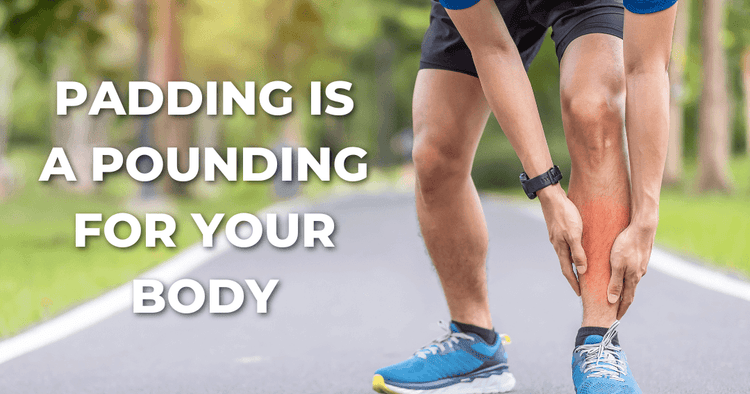
Big shoe companies will try to tell you that all that padding and “motion control” technology is helping to protect you from impact. A new study from Oregon State University found the opposite. You can read all about it in this New York Times article: “Super-Cushioned Running Shoes are All the Rage, But Aren’t Foolproof.” READ THE FULL ARTICLE If you hit the article-limit paywall, here are the big takeaways on why cushioned shoes are bad for your joints: Runners in “maximalist” cushioned running shoes hit the ground harder, and pronate more (roll their ankles inward), than runners in neutral shoes This tendency gets WORSE the more you run in those shoes Super-maximal shoes “tend to be more unstable” than low-to-the-ground barefoot running shoes, even on roads and track Xero Shoes Make Happier, Healthier Runners If there’s a common thread among the tens of thousands of Xero Shoes reviews, it’s this: Nobody started wearing Xero Shoes because of any special technology. They just wanted to move better, and feel better. And guess what: They do! Skeptic turned believer! “I love that I can feel the ground beneath me when I walk, and it has really increased my proprioception so I’m not wobbly or tripping. I usually would kick my shoes off and go barefoot as soon as I got home, but now they don’t come off until I go to bed.” - Timothy C Amazing, life-changing shoes “I bought them because I stand all day. They are perfect. Changed my life in two days! I will buy them again.” - Donna C. Amazingly comfortable “I feel safer walking the trails wearing Xero Shoes - especially navigating rocky areas. I own 5 pairs and love them.” - Linda T OMG Great shoes. They really do make my feet feel good. Thanks! - Shane T New to running in Xero Shoes? Start here. You’ll have a better experience “transitioning” from maximalist or cushioned shoes to in Xero Shoes if you have: A good idea of what to expect A plan to follow Get both in this article from Xero Shoes CEO Steven Sashen, How to Transition to Barefoot Shoes. START OFF RIGHT
The Perfect Summer Shoes to Go with Every Type of Adventure
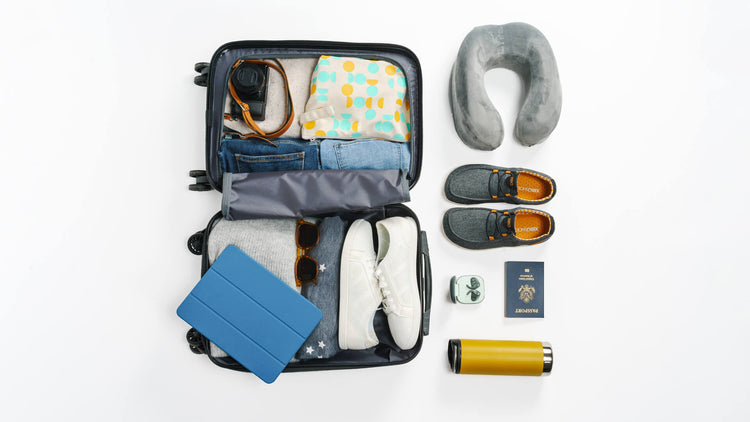
The Perfect Summer Shoes to Go with Every Type of Adventure Summer fun is just around the corner. Are you ready for days at the beach? Have you made plans to spend some time on your favorite trails? Or maybe you’re thinking of an urban getaway to a new city? Whatever you’ve got planned, having the right summer shoes to go with your adventures is essential. The right shoes have four key factors: They facilitate your fun. You wouldn’t want to wear a pair of hiking boots to wade in the ocean, and scrambling up a steep mountain trail in a pair of sandals might not be your speed. Pick a shoe that will help you get the most enjoyment from your activity. They leave your feet feeling good. If your feet don’t feel as good at the end of the day as they did at the beginning, then your shoes aren’t doing their job. You like the look of them. They’re easy to pack. Your summer shoes should be light and flexible so they’re easy to take with you anywhere. Whatever adventures the summer has in store for you, Xero Shoes has the right pair of summer shoes to help you maximize your fun. Summer Shoes for Beachy Fun - Aqua Cloud Whether you’re strolling along sandy shores, paddle boarding, or splashing around in the waves, the Aqua Cloud is so lightweight it’s barely there, but — wet or dry — it gives your feet a just-right amount of protection. Grippy rubber sole No thong strap pressure points Easy on and off lacing 3mm BareFoam for added comfort SHOP AQUA CLOUD Conquering an Urban Jungle - Dillon or Nexus Knit Do you love exploring new cities in the summer months, but dread how your feet feel after walking around on concrete or cobblestones all day? There’s a simple solution. Pick a shoe that leaves your feet feeling as good at the end of the day as they did at the beginning... a shoe like the Dillon or the Nexus Knit. Soft, breathable mesh upper All day comfort in a classic sneaker Vegan friendly Super lightweight SHOP DILLON SHOP NEXUS KNIT Spending Summer Days on Your Favorite Trails - Scrambler Mid II Enjoy your time in the mountains more when you’re not weighed down by heavy boots. Confidently tackle challenging terrain in the lightweight, flexible Scrambler Mid II. Rainy, muddy trails? The Scrambler Mid II WP, our waterproof version, means you’ll have fun, rain or shine. Grippy Michelin Fiberlite sole Mid height to keep out debris Mud shedding lugs for confident traction Lightweight comfort with the protection you need SHOP SCRAMBLER MID II Taking on a Summer Run - HFS II Summertime isn’t just for traveling or hanging out by the lake. It’s also race season. If you’re gearing up for a competitive or fun summer run, don’t forget about your shoes! The HFS II from Xero Shoes may be the perfect road racing shoe. It’s lightweight, highly flexible, and oh-so-comfortable. So lightweight, you’ll feel like you’re flying Tire tread-inspired outsole Moisture-wicking lining for extra breathability Highly flexible sole SHOP HFS II Trail Running... Your New Summer Hobby? - SCRAMBLER LOW Flying down a trail, navigating the uneven terrain, soaking in the outdoors... what could be better? Doing it all in the most comfortable trail runners imaginable, that’s what. See how good your feet feel when you slip into a pair of Scrambler Lows. Grippy Michelin Fiberlite sole Breathable mesh upper Lightweight comfort Secure, adjustable fit SHOP SCRAMBLER LOW Have More Fun with Happy Feet Whatever adventure you find yourself on, you’ll have more fun when your feet feel good. And that means finding the perfect pair of summer shoes for each of your warm-weather activities. Xero Shoes has barefoot shoes for every summer adventure. Browse all shoes to find your next pair.

Mother’s Day Gift Guide: The Perfect Xero Shoes For Every Woman in Your Life
Mother’s Day Gift Guide: The Perfect Xero Shoes For Every Woman in Your Life Being a mom is many things, but “easy” generally isn’t one of them. But a truly comfortable pair of barefoot shoes for women make every daily challenge a little more manageable - and every fun activity just a little more enjoyable. Use this tool to match up the moms you care about with the shoes they’ll love. Not sure of someone’s size? Just send her this article, plus a Xero Shoes eGift Card. DILLON: For Style-Conscious WOMEN Light, comfortable, and they go with everything SHOP THE DILLON The Pagosa: For Busy Jetsetters with Tired Feet Perfect for around town or around a campsite. SHOP THE PAGOSAhttps://xeroshoes.live/wp-content/uploads/2023/05/Pagosa-for-Mothers-Day.mp4 Xero Shoes PR Director (and Mom-to-be!) recommends the Pagosa for any expecting mothers. Prio Neo: For Active women Fun and agile for the go-getter. SHOP THE PRIO NEO Scrambler Mid II: For Women Who Get Outdoors If hiking, pushing a stroller down a trail, or carrying a baby backpack to the top of a hill is her idea of “fun,” she’ll enjoy the ultra-light Scrambler Mid II. SHOP THE SCRAMBLER MID II Phoenix Leather: For Busy Professional Women All-day comfort in an elegant flat. SHOP THE PHOENIX LEATHER Find the Perfect Shoe for Mom To find the perfect shoe for mom this Mother’s Day, you can explore our entire selection of women’s barefoot shoes available in different styles, colors and sizes. SHOP NOW
How Runners Can Support the Environment for Earth Day
Runners who want to help preserve and protect the environment can take several steps to become more eco-friendly. Here are some inspiring ideas runners can do to help support the environment.Does Running Help The Environment?Running has some unique features that already make it a sustainable activity, including:Carbon-NeutralityRunning is a carbon-neutral activity that doesn't require any fuel or energy other than your own. Choosing to run means that you can reduce your carbon emissions and help create a cleaner environment.Encourages Sustainable FitnessRunning is a minimalist activity that requires little equipment or resources. By embracing minimalism, runners can contribute to a more sustainable lifestyle and promote the idea of living within our means.Inspires Community InvolvementRunning events and clubs can bring together individuals with a passion for health and fitness as well as sustainability. These communities can inspire collective action and advocacy for environmental issues.Promotes Green SpacesRunning can take you to places where you can appreciate the beauty of nature. By doing so, you are helping to promote the importance of parks and green spaces, natural resources, and the need for their preservation.Supports Eco-Friendly EventsMany running events have embraced eco-friendly practices, such as recycling, composting, and reducing waste. By participating in these events, runners can support these initiatives and encourage others to adopt similar practices in their daily lives.How To Help The Environment As A Runner (10 Ways)1. Throw Away Your TrashThrowing away their trash is a pretty easy way runners can support the environment. Beyond trail hiking, litter is often left behind by road running in cities. Just because it's widely accepted to leave trash on the ground doesn't mean you should. Try these tips: Always carry a small reusable bag or pouch to store your trash during your run. If you find trash while running, pick it up and dispose of it, or recycle it if possible. Avoid single-use plastic to reduce the amount of plastic that ends up in landfills. Support products that are made from 100% recycled materials. Educate your fellow runners and friends about the importance of properly disposing of trash and encourage them to follow suit. 2. Reduce Plastic Waste From Water BottlesInstead of using water bottles during or after your run, consider switching over to a 100% plastic-free water bottle. There are several non-plastic water bottles for runners. Many of these manufacturers not only use sustainable practices, but they also give charitable donations to support sustainability non-profit organizations.Organization Spotlight: Plastic Free JulyPlastic Free July® is a significant program developed by the Plastic Free Foundation. Its purpose is to help us move closer to our goal of creating a world free of plastic waste.3. Participate in Park Clean-upsA great way to give back to your community is to find a park clean-up in your neighborhood. You could even organize your own. Local volunteers of all ages can work together to clean and pick up litter in a community park. Volunteering is a great way to keep the parks and green spaces you run in clean and beautiful. 4. Find Plogging GroupsAnother way to dispose of trash is by participating in plogging, but what is it exactly?? It is an activity that combines jogging and cleaning up trash. While running, they collect and properly dispose of any litter found on the ground. The term “plogging” originates from the Swedish verbs “plocka upp” (pick up) and “jogga” (jog).Organization Spotlight: Natural RestorationsNatural Restorations is an Arizona-based 501c3 nonprofit organization founded in 2015 by husband and wife team, Justin & Nicole Corey. Their mission is to remove trash and graffiti from outdoor recreation & wilderness areas, revitalize natural areas through replanting projects, and enrich the lives of military veterans and other community members. They have removed over 1.5 million pounds of trash from outdoor spaces and will be hosting their 8th annual Earth Day Lower Salt River Cleanup this Saturday, April 22nd. Plogging combines picking up trash while jogging and it is a great way for runners to make a positive impact on the environment and in our communities. With increased concerns about pollution, people everywhere are making their workouts good for the Earth's health too! Instead of cursing trash as you jog by it, why not pick it up? It's like a treasure hunt every time you head out. The action of picking up trash stretches the back, hamstrings, and calves. It's multitasking at its best!DonateFacebookInstagram 5. Donate Old Running GearDonating old gear is an excellent way to reduce environmental impact. It allows runners less fortunate to have safe footwear they may not be able to afford. Donating old clothing helps reduce waste in landfills and decreases the emission of methane into the air.Organization Spotlight: Soles 4 SoulsSoles 4 Souls turns old or unwanted shoes and clothing into good use, preventing them from going to waste. providing relief, creating jobs, and empowering people to break the cycle of poverty. Collect shoes and clothing to distribute to people in need across the US and worldwide. This protects the planet, putting used goods to others who need them instead of going to a landfill.Donate ShoesFacebookInstagram 6. Advocate for Environmental PoliciesAdvocating for environmental policies can be a powerful way for runners to make a positive impact on the planet. Advocacy can take various forms. One of them is reaching out to local and national representatives, joining protests or rallies, and backing environmental organizations.One way to get started is by researching environmental policies that are currently being proposed or debated in your area. This might include initiatives related to renewable energy, reducing your carbon footprint, protecting natural resources, or promoting sustainable transportation options.Once you have identified relevant policies or initiatives, consider reaching out to your elected representatives to express your support or concerns. This could involve: Writing letters or emails Making phone calls Scheduling in-person meetings with your representatives or their staff Organization Spotlight: Runners for Public LandsRunners for Public Lands is on a mission to create a sense of belonging, a connection to the environment, and to spark activism in our running communities.When college professor Vic Thasiah read the notable article “No Free Lunch: Trail Running and the Public-Lands Debate” by Mike Foote in Trail Running Magazine, he decided to take action. On Earth Day in 2019, he founded Runners for Public Lands as the national-level nonprofit dedicated to organizing runners - the largest recreation group in the US - to care for the environment. Today, Runners for Public Lands continues to build inclusive running communities dedicated to protecting the environment and is actively creating opportunities for runners to get involved and give back.Founded in Ventura, CA, RPL has established a strong regional presence, but earlier this month, they officially launched their Ambassador Program in Colorado to begin growing a movement of runners throughout the country. RPL Ambassadors will host inclusive runs, organize educational and volunteer events, and activate runners to steward and protect the lands they run with. Keep an eye out for more to come as this movement grows into new communities throughout the US!So, how can you join this movement to protect public lands and equitable access to nature? Volunteer for trail days and local stewardship in your community. Get informed about ways to protect the people and places you love to run with by: downloading RPL’s toolkits, reading RPL’s event resources, and learning about RPL’s Everyone Runs Funds - a grant that assists disadvantaged runners chasing their run dreams. Follow RPL on social media @runners4publiclands and sign up for their newsletter. Become a sustaining member of Runners for Public Lands. Make a one-time donation to support RPL programs and expand their presence in the US. Stayed tuned for specific RPL calls to action on national-level policies impacting runners and protecting public lands. Donate hereFacebookInstagram 7. Run or Walk to PlacesRunning is a great alternative mode of transportation to reduce carbon dioxide emissions from cars. Fewer miles driven can have a big impact on greenhouse gas emissions. Running and walking are the most energy-efficient options. However, if your destination is too far, consider riding a bike or using public transportation when possible. 8. Attend Sustainable Road RacesMany road races are getting serious about being environmentally friendly. Road races can get littered with trash, including cups. Instead, some races opt for reusable, compostable, or biodegradable cups at water stations. Road races are also moving paperless registration.9. Run for SustainabilityRoad races are not always set up with sustainability in mind. However, there are many races you can take part in that prioritize sustainability. Some park organizations will raise money with a 5k or 10k race. Of course, you can also raise money for an environmental charity.10. Wear Sustainable Running ShoesWear shoes made from sustainable materials that are ethically sourced and built to last a long time. Most “sustainable shoes” are not completely sustainable, even if they claim to have an ethical code of conduct. Greenwashing is a marketing tactic used by companies to make their products appear more environmentally friendly than they actually are. It involves making false or misleading claims about the environmental benefits of a product, service, or effects of the supply chain.At Xero Shoes, we’re sensitive to the ecological impact of footwear manufacturing. We are truthful about our environmental impact and share our green story only when it's authentic. We do not participate in the deceptive practice of greenwashing. Becoming a More Sustainable RunnerBecoming a more sustainable runner is a powerful way to contribute to the health of our planet. You can help create a more sustainable future by making small, simple changes. Whether you're a seasoned runner or just starting out, think about how you can make your running routine more eco-friendly. By working together, we can create a better planet for ourselves and future generations.

How Xero Shoes Combats Shoe Industry Waste
The footwear industry has a big problem: It's incredibly wasteful. From the production process to the disposal of shoes, the industry generates a huge amount of waste that fills landfills and negatively impacts the environment. More than 13 million tons of clothing and footwear ends up as trash each year in the United States. Xero Shoes take our responsibility to the earth seriously. And we believe that making meaningful change starts with being transparent about our environmental impact. You can read about our commitment to sustainable manufacturing here. Here’s how we back up our commitment to sustainability with action. Our Shoes are More Sustainable By Design When designing and building shoes, we follow three guidelines: Use Less: With fewer components (e.g. no foam midsole), Xero Shoes put less strain on the environment and take less energy to produce. Built to Last: Our shoes belong on feet, not in landfills. Our FeelTrue rubber outsoles are backed by a 5,000-mile sole warranty. Traditional running shoes are designed to last 200-500 miles. Source Better: Whenever possible and practical, Xero Shoes uses environmentally- friendly components and recycled materials. Re-using Shoes Means Less Refuse Xero Shoes donates gently used shoes to Soles4Souls, a non-profit that provides shoes and clothing to people in need, in the US and abroad. In 2022, Xero Shoes donated 28,947 pairs of shoes to Soles4Souls. That means we diverted 36,183 pounds from local landfills, reducing the environmental impact of these unwanted shoes by extending their lifespan. For every pair of shoes or article of clothing that Soles4Souls collects, processes, and distributes, they create less than .5 pounds of greenhouse gases. How you can help Once you’re done wearing your Xero Shoes, you too can donate to Soles4Souls. Find a shoe drop-off location near you, in cities around the country. Ship your old shoes for free If you live in Denver, CO, stop by our new Showroom to drop your old shoes in our Soles4Souls box.

The Most Eco-Friendly Shoe Ever Made
Not quite as eco-friendly but still awesome road shoes: Speed Force BUY HERE Prio BUY HERE Forza Runner BUY HERE HFS BUY HERE

Unlock Your Foot Core - Test Your Balance and Strength
You’ve probably heard of (or tried) doing planks for time as a way to test your core strength and stability. But did you know that your feet have a "core"? You can actually train your foot core to help prevent running-related injuries according to a study by Dr. Sacco. In the book Born to Run 2: The Ultimate Training Guide, authors Christopher McDougall and Eric Orton place a high priority on what they call “foot core” training. Here’s how you can test your "foot core" strength. ONE-LEGGED BAREFOOT BALANCE TEST Balance on one foot, on your forefoot, on a hard surface with the heel a little elevated so you feel nice and strong at the arch. Use a wall or chair or partner to help you stabilize when needed. Note: This isn’t a calf raise exercise, with up and down movement with the foot. There’s no movement, just stabilizing. Do this for 30–90 seconds per foot, or until you fatigue. It seems simple, balancing on one foot. But that's the key to getting the stabilizer muscles and tendons in your feet activated. What are some other ways to unlock your foot's natural strength? Wear Xero Shoes Walking in minimalist shoes, like Xero Shoes, could be effective for strengthening foot muscles according to Dr. Ridge’s research showing how walking in minimalist shoes built foot strength as much as doing an 8-week foot strengthening exercise program. Add a challenge Mastered the standard one-legged balance? Now try to balance while closing your eyes. Or stand on a log, yoga block, or any other raised surface. Keep practicing One-legged balancing is both a test and a zero-impact exercise that you can do pretty much every day. Long video meeting? Stand up, adjust your camera and balance on one foot. No one will even notice. Time yourself and see if you can beat your previous record.






