


latest News

4 Natural Movement Techniques to Try For Yourself (Videos)
Reconnect with Your Body: Discover Natural Movement This blog features workout tips from Erwan Le Corre: Founder of MovNat, Affiliate of Xero Shoes www.movnat.com @movnat Erwan Le Corre Provides 4 Techniques to Help Optimize Natural Movement In a world where our lives are increasingly sedentary, finding our way back to the basics of movement is not just refreshing—it's essential. Erwan Le Corre founded MovNat, a physical education and fitness method for real-world physical capability. Erwan shares a video series featuring four techniques that promise to revolutionize how you move naturally. Whether you're a fitness enthusiast, a professional athlete, or someone looking to improve your physical well-being, Erwan teaches you to discover the freedom of natural movement. Rediscover Natural Movement With These 4 Techniques Natural movement is twofold: First, how your footwear allows your feet to move and feel is essential. Second, the ease and efficiency of your movement matter. In these four videos, you’ll learn the following techniques: Running – How to run efficiently and economically. Balancing Walk – How to develop better balance while walking on a narrow surface. Foot-Hand Crawl – How to walk on all fours using an efficient pattern that will save you much energy. Leg-Swing Jump – How to jump across gaps by landing softly and safely. Let’s dive into each technique and learn more about natural movement! 1. Unlocking the Art of Proper Running Form In this video, Erwan teaches you the fundamentals of efficient running, starting with proper posture. Before taking a step, align your spine from head to toe. Running should feel comfortable and natural. Land lightly on the ball of your foot so you feel light and elastic in your movements. Practice a slight forward leaning at the ankle level to propel yourself forward with minimal effort, making running more efficient and enjoyable. 2. Balancing Walk for Improved Balance Erwan teaches you a simple exercise and additional challenges to enhance balance. The balancing walk involves standing on one leg and experimenting with moving the other in various directions. The foundation of better balance begins with ensuring a vertical alignment of the body. To simulate balancing on a narrow surface, walk in a straight line with one foot in front of the other. As you improve, you can progressively introduce more challenging surfaces, like a two-by-four, to safely improve balance. 3. Crawling: The Blueprint of Movement Erwan spotlights crawling, a fundamental natural movement that is often overlooked in adult fitness regimes, and a core technique in MovNat training. The knee-hand crawl exercise involves moving opposite sides of the body simultaneously in an X pattern. Once comfortable, you’ll progress to the foot-hand crawl, which requires advanced balance and stability in a slightly elevated position. You’ll learn the most efficient way to crawl: moving forward through a push-off from the feet and backward by pushing off with the hands. 4. Leg-Swing Jumping In this video, Erwan demonstrates the leg-swing jump technique to overcome real-world obstacles efficiently and with minimal energy expenditure. You’ll learn to use a "one-two" landing pattern to land softly and maintain stability. This method is beneficial when the obstacle is not too wide yet too challenging for a simple step over. Start with ground-level exercises and progress to practicing the technique at increasing distances and eventually incorporating environmental variables. This gradual increase in complexity allows for skill development and confidence in using the leg swing jump in various scenarios. Embark on Your Natural Movement Journey Reconnect with your body's natural movements and develop a more intuitive relationship with yourself and the natural world. We hope this video series helps you rediscover the basics of movement. Learn more about MovNat and check out their online e-courses. The content of this post does not constitute and is not intended to be a substitute for professional medical advice, diagnosis or treatment. Always seek the advice of a physician or other qualified health provider with any questions or concerns you may have about your health or a medical condition.

5 Tips for Being Fit Over 40
This blog was written by Xero Shoes affiliate, Kristina Cañizares Celebrity trainer and owner of Fit & Bendy in Los Angeles www.fitandbendy.com Instagram: @fitandbendy Fitness Over 40: 5 Realistic Tips to Get In Shape What does it look like to be fit over 40? Is it possible to get in the best shape of your life in your 40s, 50s, and beyond? The evidence says yes! As long as you are alive, your body will respond to exercise, building muscle and gaining mobility. Age doesn’t stop you from taking up a new sport, falling in love with trail running, learning to do a split, or joining the pickleball craze. But fitness over 40 does require a shift. As I sidle up to 50 I’ve found that I’m still able to do all the activities I love, I just have to tweak my strategy. Below are 5 pillars of my fit-over-40 training approach that I use both for myself and my clients for productive, effective, injury-free fitness. How to Get in Shape at 40: 5 Fitness Tips to Follow: Tip #1: Focus on Fitness Fundamentals When you’re young you can skip steps. Coaches will often throw you into drills where you can learn by making mistakes, falling down, trying again. When you’re older the repercussions from over-training, poor form, and generally flubbing a move can be more serious. If you’re learning a new physical activity, start with the basic movements and make sure you are confident and strong before progressing. Train in short sessions and build stamina and strength rather than going bonkers on Day 1. Don’t push through pain, train when you’re super sore, or try things that you can only accomplish with poor technique. This approach may feel slow, but it’s a lot faster than rehabbing a torn ligament or nursing a swollen knee! Tip #2: Slow and Steady Progressions When you first start working out it generally feels exhausting and difficult for a while. Then you hit a point where it gets easier, feels better, and you get hungry for it. This is when many people get really excited and suddenly want to dramatically increase the intensity and duration of their workouts. Your body will continue to adapt to exercise until you’re dead, but as you age the adaptations happen slower. This means that rapid intensification of an exercise can overload your capacity, increasing injury risk. One of the hardest things for myself and my older clients to learn is to set aside the “more is more” mentality and try to be p-p-p-patient with our bodies. Sometimes more progress comes from lighter weights, less intensity, shorter sessions, and more rest days. More isn’t always better. Tip #3: Mind the Little Things Everyone loves to work the sexy stuff. Let’s get those bulging biceps and perky glutes. But when was the last time you trained your foot strength, wrist mobility, or neck muscles? Almost all of my clients see improved mobility and strength, reduced pain, and better performance when they add in a few short sessions a week designed to strengthen and mobilize often neglected areas. We can’t take anything for granted in our bodies if we want to be able to perform well with longevity. My daily warm-up before any workout focuses on my breathing muscles, neck muscles, feet, and hands. These are areas that are not explicitly addressed in my workouts but greatly improve how I move. Tip #4: Function over Fashion So many fitness programs use aesthetics as the measurement of success. Weight, body measurements, and clothing size may change as a result of fitness but they are a side effect of working out, not the direct effect. The direct effects of working out are to improve strength, mobility, balance, cardiovascular health, and reduce pain and injury. Improving all of those factors helps you move more, and enjoy fun activities. I would argue if all of those factors are doing well, you’re going to look better too regardless of your size. When our primary motivation in working out is cosmetic it’s tempting to skip the above-mentioned fundamentals, push too hard too fast for visible results, and neglect muscles that aren’t going to get noticed in your instagram post. It’s also easy to give up if you don’t see the results you want in the timeline you set for yourself. I try to work out for joy, connection with my body, community, health, and functionality. I’m not immune to the societal pressure around thinness but I know that weight loss obsession does not lead to healthy outcomes most of the time. Tip #5: A Little Bit of Exercise is Better Than Nothing Life is busy. We get tired. Overwhelm is real. Sometimes that workout you planned just isn’t going to happen. It is really easy to get discouraged when life gets in the way of our fitness routines. We know how important it is to be consistent with our workouts, but that doesn’t mean that all is lost. No time for a run, but maybe you have ten minutes to dedicate to the bare minimum? On those better-than-nothing days I ask myself: What do I need to feel good right now? Sometimes it’s a set of calf raises at the kitchen counter. Or single leg mini-squats in line at the grocery store. Or a sprint up the staircase in the airport. Sometimes it’s one, long forward fold with some deep breathing while on hold with the DWP. Whatever it is your body is asking for, give it what you can. That way when your schedule clears up and you have time to work out again your body doesn’t feel completely neglected. I love these little mini-workouts on my busiest days as a way to relieve stress and stave off tightness. It’s also a short invitation to check in with my body and remember that I am a person. Sometimes stress makes me forget that! See also: Kristina's informative video prepping your feet for walking in minimalist shoes. https://youtu.be/rPyfZ2MAgHs?feature=shared Reflecting on My Fitness Goals Over 40 These days I cherish my workouts more than ever before. They are mine - a time to focus exclusively on my own needs and goals and leave the clamor of life behind for a moment. They are my investment in the future, since I appear to have not died yet and old age may actually come for me. This gym joy did require an adjustment from my younger self’s approach to fitness. I was a card carrying member of the “Go Hard or Go Home” club, highly competitive and driven. I wish I had adopted some of the above tenets earlier, but some lessons can only be learned the hard way. I just want to stay above ground and healthy so I can keep learning. Kristina is an affiliate Xero Shoes. The content of this post does not constitute and is not intended to be a substitute for professional medical advice, diagnosis or treatment. Always seek the advice of a physician or other qualified health provider with any questions or concerns you may have about your health or a medical condition.

Are Barefoot Shoes Beneficial for Active Recovery?
In the past few years, “recovery” has become a buzzword, as the need to take care of our well-being is paramount, whether you're an athlete, a parent, an executive, or simply someone who appreciates comfort. Any product or service that helps us cope with daily stressors is now considered a form of “recovery.” We often underestimate the importance of allowing our feet the time and space to recover. However, Google “recovery shoes,” and you’ll find lists of highly cushioned shoes and sandals, some made almost entirely of foam. But what if there’s a better way to recover? In this blog, we’ll explore the importance of foot recovery and how Xero Shoes can be a tool for recovery. Why Are Barefoot Shoes Good for Recovery? Our feet bear the brunt of our daily activities, yet they are often the most neglected part of our body. With 26 bones in each foot and more than 200,000 nerve endings, it’s time we optimize our feet for recovery. Traditional shoes can restrict natural foot mechanics, like impeding your feet' natural flexion and extension. The shoes themselves can also have a narrower fit that feels tighter on your feet. Xero Shoes are designed to facilitate natural movement, providing your feet with the freedom they crave. Traditional shoes can impede your feet' natural flexion and extension, hindering recovery. With Xero Shoes, you'll experience a liberating sensation that encourages a more natural gait, promoting better blood circulation and aiding recovery. A Podiatrist Recommends Barefoot Recovery Shoes Dr. Alissa Kuizinas, DPM, is a podiatrist passionate about natural foot function. Here’s what she says about the benefits of wearing barefoot shoes. “Going barefoot allows your feet to feel and interact with the ground surface, allowing for improved muscle reactivity and postural changes, along with adaptation of the foot muscles and strengthening.” The foot-shaped design of barefoot shoes also aid in active recovery, allowing your feet to activate while still feeling comfortable. Dr. Kuizinas agrees, “Since the shape of the shoe accommodates the toes and the natural splay and expansion that occurs with walking, they often allow for better shock absorption and better use of the muscles of the feet and legs. They prevent the compression and restriction to the front of the foot that occurs with traditional shoes.” What to look for in recovery shoes: Natural Comfort – A barefoot shoe design encourages a more natural gait, reducing the impact on joints and muscles. This can be especially beneficial for recovery after intense workouts or long periods of standing. Lightweight and Flexible Design – A pair of recovery shoes should not feel constricting on your feet. Look for shoes with a roomy toe box that lets you wiggle your toes or scrunch your feet. The feather-light feel and flexible design of Xero Shoes make you feel barefoot. The best sensation is when you forget you’re wearing your recovery shoes. Breathability – Just as you want your feet to relax, you also want to ensure they’re getting proper airflow. Look for shoes constructed with breathable materials, like mesh, hemp, or cotton, that ensure your feet stay cool and dry. Breathable shoes benefit post-exercise recovery, preventing moisture buildup and potential discomfort. Versatility – Recovery doesn't mean compromising on style. Whether relaxing at home, weightlifting at the gym, or running errands, you can do so in style while prioritizing your foot health. A good pair of recovery shoes or sandals don’t have to look like they’re for recovery. A bonus: any pair of Xero Shoes is designed with your feet’s comfort in mind so you can pick from over 50 shoes, boots, and sandals. Your feet are the foundation of your mobility, and their well-being should be a priority. Letting your feet recover is not just a practice. It’s a holistic approach to recovery that enhances your daily life. What Athletes Say About Barefoot Recovery Shoes Xero Shoes Partner, Pilobolus Dance Group “At Pilobolus, we work our bodies hard in rehearsals and performances, and to do this, we need maximum movement and mobility for our feet. Wearing Xero Shoes when we are off duty or on rest days allows us to continue to move with the same mobility as our usually bare feet, with comfort and ease.” Emily Kent, Education Director Xero Shoes Partner, Team Novo Nordisk Cycling Team “After a 5-6 hour ride, I put on my Xero Shoes and my feet can breathe. They feel freeing and give me so much support when I’m walking. It’s amazing, especially after wearing tight cycling shoes.” Jan Dunnewind, Pro Team Cyclist “When I first put on Xero Shoes I was surprised with how they felt because my feet could actually move and spread out. They feel really great for recovery after a long day on the bike. From the first day, I knew these were the shoes I want to use and don’t want to switch back to any other shoes.” Przemysław Kotulski, Development Team Cyclist
Microdosing with Barefoot Shoes: What to Know
Max-cushion shoes are everywhere right now, from the gym and the trail to the grocery store. But a recent Wall Street Journal article interviewed doctors and coaches about how foam changes the way we move. Their advice wasn’t to go all-in on cushioning or minimal. It was to mix up your footwear and introduce any new kind of shoe slowly. We couldn’t agree more. That’s the whole idea behind microdosing barefoot shoes: instead of tossing your cushioned sneakers and going all in, you add small, regular doses of barefoot footwear to your week and let your feet ease back into feeling the ground. What does it mean to microdose barefoot shoes? Microdosing barefoot shoes means wearing them in short, regular sessions and gradually building up your time in them over weeks or months, rather than switching overnight. The term is borrowed from the world of psychedelics, where it means taking small, measured amounts. Apply the same thinking to footwear and it makes sense: a gradual, intentional shift from highly cushioned, overly structured shoes to minimalist ones. Whether you’re an athlete, a parent, a nurse, a teacher, or anyone else who’s constantly on the move, your feet are the unsung heroes of your daily grind, and they often spend that grind boxed in by conventional footwear. Zero-drop shoes are designed to mimic the feeling of walking barefoot while giving you a thin, flexible sole for protection. The idea is to let your feet move naturally, engaging the muscles and joints that traditional footwear often leaves out of the picture. How to start microdosing barefoot shoes Do you find yourself constantly on your feet or on the move? Whether an athlete, a parent, a nurse, a teacher or anyone else, your feet are the unsung heroes of your daily grind. And they’re often neglected and constrained by conventional footwear. But there’s a unique approach to building foot strength and improving foot health - microdosing with barefoot shoes. These zero-drop shoes are designed to mimic the feeling of walking barefoot while providing a thin, flexible sole for protection. The idea is to allow the foot to move naturally, engaging the muscles and joints that are often ignored in traditional footwear. Traditionally, microdosing has been associated with the controlled and measured intake of psychedelics. However, if you apply the concept of microdosing to barefoot shoes, it makes sense: adopting a gradual and measured approach transitioning from traditional, highly cushioned and overly supportive footwear to minimalist, barefoot shoes. Here’s how you can “microdose” with barefoot shoes: Gradual Transition "Microdosing" implies taking small steps, both figuratively and literally, towards embracing the natural movement and biomechanics of the feet. One way to do this is simply by walking in barefoot shoes. A research study by Dr. Sarah Ridge found that over eight weeks, barefoot/minimalist shoe walking is as effective as foot strengthening exercises in increasing foot muscle size and strength. A 2021 research study in Nature suggests that six months of regular minimal footwear use is sufficient to gain full strength, which may aid healthy balance and gait. This gradual process allows the feet to adapt to the new movement patterns and build strength over time. How long does it take to adapt to barefoot shoes? Microdosing involves an adaptation period where users observe how their bodies respond. Transitioning to barefoot shoes requires an adaptation period during which foot, ankle and leg muscles adjust to the new conditions. You may feel tighter calves or feet as you adapt - this is normal. As you’re adapting to barefoot shoes, start incorporating “foot core” into your daily routine, like the tips in that blog from Xero Shoes Partner and Born to Run coach Eric Orton. You can actually train your foot core to help prevent running-related injuries according to a study by Dr. Sacco. Once you feel comfortable with everyday activities in barefoot shoes, you can try gradually transitioning to run. Eric has a fantastic video with tips to integrate barefoot shoes into your running routine. What to notice as you transition As you transition to barefoot shoes, observe your gait and balance. Our feet consist of numerous muscles, tendons, and ligaments that play a crucial role in maintaining balance and supporting our body. Microdosing with barefoot shoes allows these muscles to engage and work harmoniously. Plus you may find they’re more comfortable with the zero-drop design, wide toe box and thin, flexible soles, that give your toes room to wiggle. In essence, the concept of microdosing with barefoot shoes involves a mindful and gradual approach to allowing the feet to reconnect with their natural function. It's about taking small, intentional steps towards healthier, stronger feet.

The Truth About America’s #1 Barefoot Shoe Brand
Building a barefoot shoe brand? Are we barking mad?Hidden camera footage. Go behind the scenes at Xero Shoes. WATCH HERE

Best Gifts for Outdoor Enthusiasts: Guide for Men & Women
Find The Perfect Xero Shoe For Your Outdoor Adventurer If your outdoor-loving family and friends seem like they have all the gear they need – tents, stove, backpacks, jackets, etc – make their next outdoor adventure a little more comfortable with barefoot hiking shoes, boots, or sandals from Xero Shoes. Whether they backpack, camp, fish, trail run, surf, or snowshoe… they’re bound to be surprised. What makes Xero Shoes the perfect gift for outdoor enthusiasts? Our outdoor shoes, boots, and sandals are so that they’ll forget they’re wearing them. The wider, foot-shaped toe box and zero-drop sole makes it feel like you’re wearing nothing. Plus, Xero Shoes are the gift that lasts longer, since all shoes have a 5,000 mile sole warranty. Gift for the Stylish Hiker: Ridgeway The Ridgeway looks good and feels comfortable, perfect for that person who curates their hiking outfit and always looks put-together in their hiking photos. Waterproof suede keeps feet dry and a grippy sole performs on various hiking surfaces for epic pictures. Ridgeway - Men SHOP MEN Ridgeway - Women SHOP WOMEN Gift for the Camper: Sunrise For campers with chilly feet in the mornings or evenings, the Sunrise is easy to slip on or off when they're getting in and out of their tent. The microfiber suede feels so soft and is even water-repellant, so they don't have to worry about the morning dew. Sunrise -Men SHOP MEN Sunrise - Women SHOP WOMEN Gift for the Skier/Snowboarder: Alpine After a day of shredding the slopes, there is no better relief than taking off stiff, heavy boots. That's where the Alpine snow boot is like a welcome hug for tired feet. Plus the 200g/sq. in. polyester insulation, heat-reflective insole, and a fully seam-sealed lining give you the warmth your feet need. Alpine - Mens SHOP MEN Alpine - Womens SHOP WOMEN Gift for the Lightweight Backpacker: Scrambler Mid The Scrambler Mid is a “do it all” lightweight hiking boot for the hikers in your life who are always looking to shed weight without sacrificing performance. A Special Michelin sole differentiates this boot and makes it more agile, flexible and lighter than others. Scrambler Mid - Men SHOP MEN Scrambler Mid - Women SHOP WOMEN Gift for the Surfer or SUPer: Aqua Cloud Before hitting the water or waves, they will arrive at the beach in style with the color-popping Aqua Cloud. The adjustable straps ensure the best fit for any foot, and this sandal even floats, so if they drop it in the water they won't lose it. Aqua Cloud - Men SHOP MEN Aqua Cloud - Women SHOP WOMEN
Xero Shoes I Wore Traveling to Italy
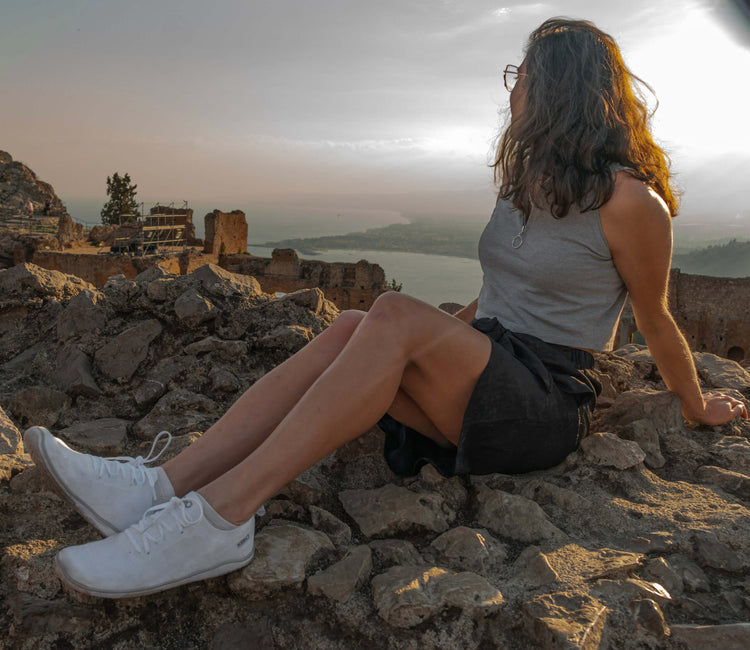
Written by: Alexa Lampasona, PR Manager at Xero Shoes Alexa handles media relations and press for Xero Shoes. If you found Xero Shoes in a magazine, online article, TV segment, chances are Alexa made that happen! Alexa lives and breathes Xero Shoes, wearing them for running, hiking, walking the dog, hanging around town (in Boise, where she works remote), and travel. Read on to hear about Alexa's recent European vacation and how she wore Xero Shoes for everything... I recently traveled to Sicily with my husband for an anniversary trip. We intentionally went in the off-season and were met with fewer crowds and better deals on accommodations. Sicily in early October was pleasant and probably even more enjoyable with the temperatures. We lounged by the beach in 80-degree weather, and I wore shorts or dresses every day. When I'm packing for a trip, I always overpack, and since we were spending time on the coast and in the Etna mountain region, I had to have my beachwear and some mountainwear. My husband and I are also notorious for NOT relaxing on our vacations. Instead of wine tasting in the Mt. Etna region, I booked us to hike "for experienced hikers only" to the craters at the peak of Etna. But there's one item that I never have to overpack: my Xero Shoes. We hit several towns in Sicily, and I planned a myriad of outfits around my Xero Shoes Nexus Knit (and Z-Trail EV for the beaches): Skirts and crop tops for looking stylish in Taormina. Z-Trail EV with a bright dress for our beach days in Taormina Cool and breezy shorts and tanks for walking through Agrigento's Valley of Temples. Bright and cheery colors for Catania, one of Sicily's vibrant towns. Comfortable yet stylish neutrals for train travel. And an oversized shirtdress for our pizza tour in Naples. Xero Shoes Nexus Knit in all white paired perfectly with every outfit. It was the only shoe I packed (besides the Z-Trail EV for the beach) because: It was versatile - you can never go wrong with an all-white sneaker It was comfortable - my watch regularly logged us walking 10,000 steps, and I never once had to think about my shoes It was lightweight - my suitcase remained well under the airline weight limit When the white sneakers got a little smudged from walking around the ancient ruins, I just followed these tips to clean my white shoes. It was easy to wash them in the hotel sink and they dried overnight. In addition to the Nexus Knit, these other lightweight, easily packable sneakers from Xero Shoes pack just as well and will pair with any outfit on your next trip: Dillon Shop the Dillon Kelso Shop the Kelso Z-Trail EV Shop the Z-Trail EV

Running Coach and Author Eric Orton's Review of Scrambler Low
"The Scrambler Low performs exceptionally well on varying terrain, allowing me to go longer and stronger in a natural shoe." -Coach Eric Orton DISCOVER THE SCRAMBLER LOW
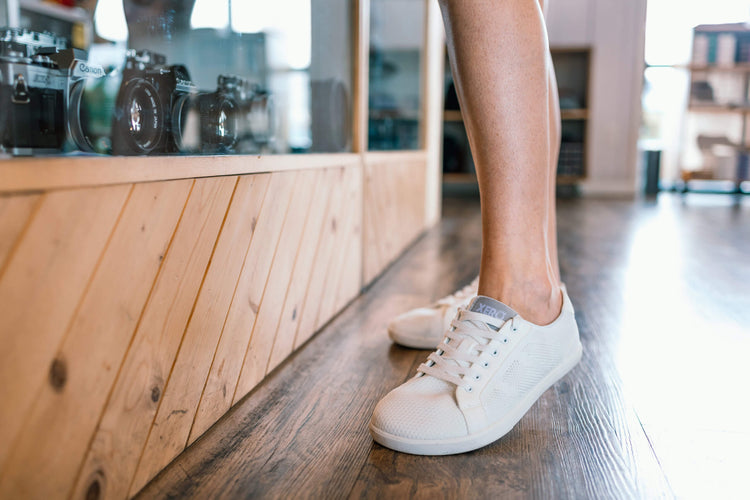
Best Shoes for Retail Workers? Try Barefoot Shoes
Going Minimal in Retail If your feet don’t feel as good at the end of a long shift – plus errands, social life, and the rest of your day – as they did at the start… then you’re wearing the wrong shoes. And what if the best shoe for all-day comfort is the exact opposite of what “Big Shoe” has been pitching? What if all the features they say should help you actually get in the way or even cause the problems they claim to cure? We’ve heard from thousands of people working on the retail floor that switching to “barefoot” or “minimalist” shoes has been the secret to happy, healthy feet. I know that can sound counterintuitive or even crazy, so don’t take our word for it. Here’s what some retail workers have to say about their experience with barefoot shoes: “I have had my Xero Shoes Prio Suede shoes for a little over 2 months. I work retail and walk on hard surfaces for 5 hours a day. I am 75 and this shoe has allowed me to make major gains in total flexibility particularly in my feet/ankles, knees and hips, while assisting in correcting my neck forward position and back posture. They are extremely comfortable and I almost don't want to take them off when I get home. My feet used to ache after work and now they feel great!” “I work in a large retail establishment and am on my feet and moving on concrete 8-9 hours daily. I have tried all the cushy over-supported shoes to no avail - dealing with foot pain and blisters. I met a customer in the store wearing Xero shoes and stopped him and asked about them. This led to me purchasing my first pair of Xero shoes. I am 7 days into my Xero experience and ALL my foot pain is gone!! The wider toe cavity was what my feet needed. Thank you Xero. I have already ordered my second pair. I think this is the beginning of a life-long friendship.” Let’s discuss what retail workers should know about barefoot shoes, and how they can help you enjoy healthy feet at work and at home. What Shoes Make Sense For Retail Workers? Before exploring the benefits of wearing barefoot shoes, let's first look at what shoes make sense for retail. As a retail employee, you expect a lot out of your footwear. You need high-quality shoes that will… allow you to move efficiently around the store. offer comfort for your long shifts whether you are serving customers, cleaning, carrying stock, and more. provide traction and stability, with good grip for slip resistance. be extremely durable. You need sturdy shoes for long hours, multiple days in the week. offer protection for your feet. Your shoes must protect your feet from various accidents or spills that occur in retail stores. look professional (that, of course, varies depending on where you work) be easy to clean and maintain (if your job gets messy) Why “Normal” Shoes Aren’t Cutting It For Retail Workers Before diving into the benefits of barefoot shoes for retail employees, it’s worth considering why someone would ditch traditional shoes. “Normal” shoes… Have a narrow, pointed toe box that squeezes your toes together, which can lead to foot problems and balance issues. Have a raised heel, which negatively affects your posture, putting strain on your ankles, knees, hips, and back. Have stiff soles which limits your feet’s natural movement, again impacting balance and agility. Have excessive padding, which mutes the feedback the nerves in your feet send to your brain… which interferes with mobility. Weaken the feet over time and lead to a reliance on external support, rather than allowing the feet to strengthen and become their own support system. Are heavier, which will weigh you down over the course of a day. All of these things can negatively impact your health and well being. What Retail Workers Should Know About Barefoot Shoes Barefoot shoes address the issues mentioned above. This type of shoe design… has a wider, foot-shaped toe box to allow your toes to spread naturally is low to the ground for balance, mobility, and agility has a non-elevated heel (“zero-drop”), so it doesn’t mess with your posture is flexible and allows for natural movement allows your feet to strengthen and become their own support is so lightweight, that many retail employees forget they’re wearing them! 3 Benefits Retail Workers Will Get With Barefoot Shoes Here are three great benefits retail workers can get wearing barefoot shoes: They are “Zero-Drop” Traditional shoes often have a significant difference in height between the heel and the toe. This is known as a shoe’s "heel-to-toe drop." This drop can be as much as 12 millimeters or more for “normal” shoes. Even a small “drop” shifts your center of gravity forward, and adjusting to that can put strain on your ankles, knees, hips and back. Barefoot shoes, however, have a uniform sole height without any variation between the heel and the toe (also known as “zero-drop”). These shoes allow retail workers a more natural posture and gait, promoting better alignment and balance as they work long hours on their feet. They Are (Very) Lightweight “Normal” shoes tend to be heavier and more cumbersome for retail workers who spend several hours standing and walking around. After a while, you may get used to this. But when you switch to a barefoot shoe, the difference becomes vividly clear. Barefoot shoes are lightweight. This makes them an ideal option for retail workers, nurses, food service workers, salon workers, and anyone else who has to stand all day. Instead of wasting energy dragging heavy shoes around all day, you can be light on your feet. You'll have more energy to help customers and do various tasks around the store. We’ve heard customers say they’ve forgotten to take their barefoot shoes off after they got home from a long shift. They’re that comfortable and lightweight. Your Feet Become Their Own Support There are several downsides to “normal” shoes with soles that don’t allow your feet to move or toes to spread. Wearing these shoes is like wearing a cast on your foot. It restricts your foot’s natural movement, reduces joint mobility, and can cause the muscles to weaken the longer you wear them. By comparison, barefoot shoes don’t provide any external arch support. While this may seem counterintuitive, wearing barefoot-style footwear allows the muscles and tendons in our feet to support the arch naturally. Research by Dr. Sarah Ridge shows that merely walking in barefoot shoes builds foot strength as much as doing a foot strengthening exercise program. Barefoot Shoes Vs. Minimalist Shoes for Retail Workers Are barefoot shoes and minimalist shoes really the same thing? Ideally, yes. Practically, no. People started using the term “barefoot shoes” back in 2008-2009. And, yes, it’s a bit of a contradiction. After all, you’re either barefoot, or in shoes. The idea is that “barefoot” shoes give you the comfort, benefits, and FUN of being barefoot, but with the protection, functionality, and style you want from a shoe. Some people, and some footwear companies, didn’t like the idea of bare feet… so they came up with “minimalist shoes.” And this makes sense because, compared to “normal” shoes, barefoot shoes are, in fact, more minimalist. They use fewer materials, they don’t have all the (not helpful) bells and whistles, and the term “minimalist” doesn’t make you think of hippies walking around with dirty feet. Lately, though, some companies are promoting “minimalist” shoes with the idea that they’re “not as barefoot” as barefoot shoes. They have a bit more padding, or more support, for example. Unfortunately for them, this study by Irene Davis suggests that those shoes are not only worse for you than truly barefoot shoes, but they’re worse than “normal” shoes, too! So whether you call them “barefoot” or “minimalist,” what’s important is the features described below. Many companies claiming to sell minimalist shoes actually sell “partial minimalist shoes'', which can be worse for your feet than both “barefoot” and “typical” shoes. At Xero Shoes, we provide truly minimalist shoes that feature a wide toe box, no unnecessary cushioning, and an extremely flexible sole that lets you safely feel the ground while offering a layer of protection. Xero Shoes: Perfect for Retail Workers For retail workers seeking a good pair of barefoot shoes, try our slip resistant Prio model, including the Prio Neo and Prio All Day. The Prio is a minimalist shoe that comes with a removable 2mm insole which you can use while you adjust the barefoot feeling. For retail workers who want the “closest-to-barefoot” experience, you have the option to take out the insole. This model is lightweight, flexible, and durable, and, like all Xero Shoes, they come with our 5,000 mile sole warranty. It’s the perfect choice for retail workers who need comfort when they spend long hours on their feet. The Prio isn’t the only shoe we have for retail workers. Browse all the shoes from Xero Shoes to find a style or shoe for you. When you switch to barefoot shoes, you’ll feel what you’ve been missing – NATURAL comfort, performance, and health… and you’ll Live Life Feet First! The information in this post does not take the place of medical advice. Only your doctor can provide advice, diagnosis, and treatment. Always consult a qualified health provider, such as a physical therapist, if you have questions about your health.
Fitness for Busy People: Finding Balance and Health
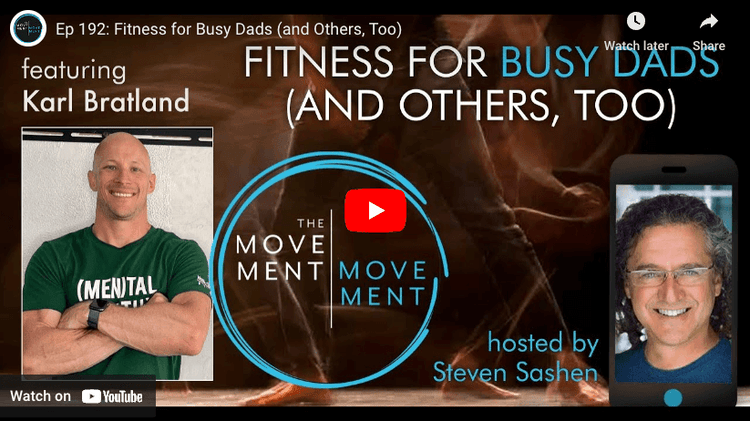
In a recent episode of "The MOVEMENT Movement" podcast, fitness expert (and Xero Shoes Affiliate) Karl Bratland, talks to Xero Shoes CEO Steven Sashen about the challenges of aging and how people of different ages can meet their unique fitness needs and goals. While Karl specializes in helping busy dads achieve their fitness goals, these principles of fitness and longevity apply to everyone. Here are the key takeaways form the conversation: 1. Adapt to Your Lifestyle: Tailor your fitness routine to fit your daily life and commitments. Recognize that one-size-fits-all approaches may not work in the long run. 2. Prioritize Health over Aesthetics: Understand that a healthy body is more important than fitting a specific image. 3. Create Lifelong Habits: Consistency is key; make exercise a natural part of your daily life. 4. Embrace Functional Fitness: Focus on exercises that enhance your ability to perform daily tasks. 5. Enjoy the Process: Choose fitness activities that you genuinely enjoy. 6. Set Realistic Goals: Celebrate your progress along the way to stay motivated. Listen to the full episode of "The MOVEMENT Movement" podcast. No matter your age, you'll walk away with some great takeaways from this conversation. LISTEN HERE Xero Shoes For Every Fitness Journey 360 BUY HERE Forza Trainer BUY HERE Prio Neo BUY HERE Prio BUY HERE HFS II BUY HERE Speed Force II BUY HERE

Xero Shoes Lightweight Hiking Boots are Under 14oz
When you’re out on the trails, you need a hiking boot or shoe that is lightweight but still offers support and protection from the elements, whether that’s a creek crossing or a rock scramble. Xero Shoes has a range of lightweight hiking boots that are designed to provide a barefoot-inspired experience, allowing your feet to move, bend, and flex naturally. These boots are perfect for hikers who want to forget they're even wearing boots. While most hiking boots may take some time to get used to, there’s no break-in period for Xero Shoes barefoot hiking boots, because the boot’s design naturally fits your feet with a wider, foot-shaped toe box and non-elevated heel. That means your toes will spread out instead of scrunch together, providing balance when rock scrambling or dodging roots. Hikers who have tried Xero's hiking boots have praised their comfort, flexibility, and durability. The boots are perfect for beginners and experienced hikers who want to explore the great outdoors comfortably. Xcursion Fusion Waterproof Hiking Boot The Xcursion Fusion hiking boot keeps your feet dry with a fully waterproof design, including a seam-sealed inner bootie and water-resistant membrane. While these are barefoot hiking boots and provide a balance of ground feedback, an embedded foam layer adds comfort and protection. SHOP Scrambler Mid Ultralight Hiking Boot The Scrambler Mid has a thin layer of fiberlite technology in the Michelin sole that gives the boot unparalleled strength, flexibility and lightness. Rounding out the ultralight hiking boot are truncated lugs inspired by mountain bike tires, guaranteeing grip and shedding mud on any hiking adventure. SHOP Ridgeway Stylish Waterproof Hiking Boot As stylish as they are functional, the retro-inspired Ridgeway hiking boot is versatile, whether you’re doing an all-day hike or going to a brewery. The rugged canvas upper with suede accents are waterproof for wet days on the trails. The durable sole's regrind rubber flecking looks great but also provides traction on the trails. SHOP

Can You Live Longer With 30-60 Minutes Of Weekly Strength Training?
A recent article in the British Journal of Sports Medicine shows that just 30 to 60 minutes of strength training per week can reduce your risk of dying from all causes by 10 to 17 percent. In this blog post, you’ll discover the key takeaways from this exciting research and understand the incredible benefits of strength training. THE BIG DISCOVERY This article reports something incredible: as little as half an hour to an hour each week of strength training exercises significantly reduces the risk of dying from all causes. STRENGTH TRAINING – WHAT IS IT? First things first, let’s clarify what strength training actually means. Strength training typically can include activities like lifting weights, using resistance bands, or doing bodyweight exercises like push-ups and squats. THE AMAZING BENEFITS OF STRENGTH TRAINING So, why should you consider adding some strength training to your weekly routine? Aside from this article, there are other well-known benefits to strength training. Reduced Mortality: The most significant finding of this study is that people who did 30-60 minutes of strength training per week were 10-17 percent less likely to die from all causes. Stronger Muscles and Bones: Strength training helps you build and maintain muscle mass. As you age, this becomes especially important as it can help prevent muscle loss and keep your bones strong. Read more in this Harvard Health article. Better Metabolism: Building muscle can also boost your metabolism, which means you burn more calories even when you’re not working out. This can be helpful for weight management. Read more from this article in the National Library of Medicine. Enhanced Quality of Life: Stronger muscles can make daily activities easier, improving your overall quality of life. Whether it’s lifting groceries, climbing stairs, or playing with your kids, strength training can make everything feel more manageable. Learn more in this article posted on Harvard Health. HOW TO GET STARTED WITH STRENGTH TRAINING Getting started with strength training doesn’t have to be complicated or require a gym membership. You can begin with simple bodyweight exercises at home or invest in some resistance bands. Start slow, focus on proper form, and gradually increase the intensity as you become more comfortable. Remember, it’s not about how much you lift; it’s about being consistent and gradually progressing over time. IN CONCLUSION Strength training isn’t just for bodybuilders or athletes; it’s a simple and effective way for everyone to improve their health and longevity. Spending just 30-60 minutes per week on strength training exercises can have a significant impact on your overall well-being and help you enjoy a longer, healthier life. So, why not start today? Your future self will thank you! XERO SHOES FOR ENJOYABLE STRENGTH TRAINING Browse our footwear, or learn more about the benefits of barefoot shoes for weight lifting.






