The Xero Blog

A person tying their Pacer Lite Xero Shoes shoe laces

What to Look for in Barefoot Walking Shoes

Say you’ve heard all the benefits of walking in barefoot shoes and you’re ready to make the jump. Make sure you know what to look for when shopping. The best barefoot shoes for walking have a wide, foot-shaped toe box, a thin and flexible sole, and a zero-drop design that keeps your heel and forefoot level. Just as important is fit: your toes should have room to spread while your heel and midfoot stay secure. There is so much guidance on finding the right running shoes, but walking has different needs. For one, most people land heel first when they walk, and some days you might be climbing hills or carrying a weighted vest. Here’s what to look for, with advice from a podiatrist, a chiropractor and the designer behind our new walking shoe. Are Barefoot Shoes Good for Walking? “Barefoot shoes can be great for walking,” says Dr. Alissa Kuizinas, DPM of Wellness in Motion. “They allow the foot to utilize the full range of motion of the joints, and to use all of the lower extremity muscles fluidly. They also allow great feedback from the ground.” However, barefoot shoes may not be an instant fit for everyone. Dr. Kuizinas notes that people with limited joint mobility, current injuries or significant stiffness may need more time, and that soft surfaces are easier to start on than pavement. Barefoot vs. Zero Drop Shoes Going completely barefoot isn't for everyone and isn't right for every occasion.  The good news is that you can walk in barefoot (or minimalist) shoes instead. That's why we created Xero Shoes - so you feel the benefits of being barefoot while still protecting your feet.  Barefoot shoes are designed to feel like you’re barefoot with a foot-shaped design and minimal cushioning, but you get a balance of ground-feel and much-needed protection. People often use barefoot and zero-drop shoes interchangeably, which isn’t accurate, since you can have a zero-drop shoe with a stiff, or highly cushioned sole. Zero-drop shoes are characterized as flat from heel to toe.  When it comes to walking, Dr. Matt Driscoll, DC of Driscoll Chiropractic, says that a zero-drop design creates a more balanced relationship between the muscles on the front of the lower leg (the shin muscles) and those on the back (the calves). “This allows muscles to regain their optimal length and strength, improving their ability to absorb force efficiently and enhance movement.” The Barefoot Shoe Checklist  The characteristics of a truly “barefoot shoe” are: Foot-shaped toe box Zero-drop, flat from heel to toe Flexible sole that bends and flexes with your feet Thin sole with minimal cushioning for ground feel No arch support Lightweight .     Two Tests You Can Do at Home Toe Box Test: Take out the insole and stand on it. If your foot spills past the edges, the shoe is too narrow. Dr. Kuizinas says “your toes should sit comfortably without scrunching.” Flex Test: Bend the shoe toe to heel, then twist it. It should move easily in your hands. Xero Shoes checks all the “barefoot boxes.” But it’s not just about the design, it’s how you wear the shoes. Once you decide how you’ll wear barefoot shoes, like for workouts, hiking or casual wear, you’ll find more activity-specific features.  What to Look for in Barefoot Walking Shoes There are a few specifics that you’ll want to look for as you pick out barefoot walking shoes.  Dr. Kuizinas says the features that matter most for walking shoes are the fit, cushion level, and structure of the shoe. Walkers want to find the shoe that matches their specific foot needs. Fit When you’re walking, having room for the toes to spread out helps power the push off as you move through your stride. Having wide shoes or wide feet is different than a wide toe box. It’s important that the design is foot-shaped where the toe box is wide but the heel and midfoot are held securely in place, instead of wide throughout the entire shoe.  Width isn’t the only thing that matters, consider depth too: if you have larger toes or toes that curl, you may need a taller toe box Sole Thickness “Ideal thickness of the sole really depends on the person,” says Dr. Kuizinas. “For some people a thinner sole is great because it allows for excellent ground feel and feedback and improves stability and balance. For others, thicker soles can be helpful to attenuate shock.” That’s the thinking behind the Pacer Lite: it’s a walking shoe that still has a thin, flexible 13.5mm sole for ground feel, but added protection with a heel crash pad right where walkers land. Flexibility Your feet are meant to bend and flex naturally throughout your walking gait, so that’s why sole flexibility is so important for everyday walking. Walking shoes with a flexible sole that can bend easily promotes natural movement through the foot's range of motion.  Upper and Breathability If you’re logging your 10,000 steps, you may spend longer in walking shoes than in a pair you wear for a quick run. You’ll want a shoe with a breathable upper to keep feet cool on long miles. The Pacer Lite’s flexible upper features breathable engineered mesh. Traction Look for tread where your foot actually meets the ground: under the heel, where you land, and under the ball of the foot and big toe, where you push off. The more varied your walks (pavement, park paths, hills), the more traction matters. Does a Walking Shoe Need Anything Different? Yes. Walking loads your foot differently than running. You land heel first more often, and one foot is always on the ground. “Barefoot shoes will require you to use your full range of motion of the joints in your lower body,” Dr. Kuizinas says. “Features such as cushioning level, added stability components, and heel-toe drop will affect peak pressures on joints and how much muscle force is required with each step.” When you look into the technical design of creating a barefoot walking shoe, there is much more that goes into it than you think.  The design team mapped four ways people use walking shoes, from most to least common: walking, fast walking, hilling (walking uphill), and rucking (walking with a weighted vest or pack).  Walking uphill shifts weight to the ball of your foot and toes, so a flexible forefoot allows for natural motion. You also need traction under the forefoot so you don’t slip. Rucking adds weight to every step, putting more pressure on your heel and the ball of your foot. That’s where an outsole needs extra durability. Sizing You may have learned that you need a certain amount of space between your toes and the front of your shoes. That’s because most shoes taper inward and squeeze your toes, so you’re adding a thumb’s width or more to make your toes feel more comfortable. With barefoot shoes, you may not have to size up, especially if you have a narrower foot. Your toes will still have room to spread, but your shoes will feel secure as you’re walking. Learn more about sizing your Xero Shoes.  When shopping for barefoot walking shoes, prioritize a foot-shaped toe box, a thin and flexible sole, and a zero-drop design. Then look for features made for how you walk. That’s exactly what we built the Pacer Lite to do.  FAQs How much room should a barefoot shoe’s toe box have? Dr. Kuizinas says to look for a wider, foot-shaped toe box that allows your toes to spread. You may also want to look for a taller toe box depth, particularly if you feel you need more room above your toes. How thick should a walking shoe’s sole be? A thinner sole gives you better ground feel and feedback. But Dr. Kuizinas notes that for some people, “thicker soles can be helpful to attenuate shock and reduce overall loading of the feet with each step.” It depends on your foot strength, flexibility and how used to barefoot shoes you are. Can you wear other barefoot shoes for walking? Yes, most barefoot shoes have the same features like a wide toe box, zero-drop flexible sole, and minimal cushioning, you’ll get ground feedback and natural comfort. The Pacer Lite barefoot walking shoe, has a walk-specific outsole that was designed for the walking gait, featuring a small layer of foam in the heel to absorb the impact from heel striking, which is common in walking.   Are barefoot shoes good for rucking or walking with a weighted vest?  Since rucking adds more load to your steps, barefoot shoes can be a good step up once your feet are adjusted. Adding weight increases the load on your feet, so build up to it gradually. The Pacer Lite’s outsole was designed with rucking in mind, with larger lugs at the heel and ball of the foot, where weighted walking puts the most pressure. As Dr. Driscoll says, the key is to transition gradually, listen to your body, and allow sufficient time for adaptation. More info on transitioning to barefoot shoes. The content of this post is for educational and informational purposes only and does not constitute and is not intended to be a substitute for professional medical advice, diagnosis or treatment. Always seek the advice of a physician or other qualified health provider with any questions or concerns you may have about your health or a medical condition.  About the Expert:  Dr. Alissa Kuizinas Dr. Kuizinas, DPM, is a board certified podiatrist who's passionate about foot health. She loves seeing patients transform their feet without surgery or invasive procedures. She is based in Boston, where she sees patients virtually and in-person at her practice, Wellness in Motion. 
Read More What to Look for in Barefoot Walking Shoes
Max-Cushion vs. Barefoot Shoes: It’s not All or Nothing

Max-Cushion vs. Barefoot Shoes: It’s not All or Nothing

Look around the gym, the jogging paths, or the coffee line, and you'll notice a lot of shoe between most people’s feet and the ground. Max-cushion shoes, with their thick stacks of soft foam, are everywhere. A recent Wall Street Journal article interviewed podiatrists, sports-medicine doctors, and coaches about how cushioning changes the way we move.  So is more cushion bad? Not exactly. Cushioning is a trade-off: it can feel great, but it changes how much your feet feel and do with every step. Their advice wasn’t to go all-in on cushioning or minimal. It was to mix up your footwear, rotating between shoes with different cushioning and stack heights.  What are max-cushion shoes? Max-cushion shoes have a thick layer of foam between your foot and the ground. According to the WSJ article, some carry close to two inches of it.  This could add stack height and heel-to-toe drop. Stack height is the thickness of the sole and how far your foot sits above the ground. Heel-to-toe drop is how much higher your heel sits than your toes.  Xero Shoes and true barefoot shoes are always zero-drop, so the heel to toe are the same level, and typically close to the ground. Today it's hard to find a running or walking shoe that isn't sitting on a platform of foam. We think there’s a good case for adding barefoot shoes to your shoe closet. What changes with more cushioning? Thick foam changes two things: how much information your feet get from the ground, and how much they have to work to keep you steady. Ground feel. Your feet have thousands of nerve endings that provide feedback to the rest of your body.  Dr. Ray McClanahan, DPM, podiatrist at NW Foot & Ankle and inventor of Correct Toes says that feedback plays a big role in how well we move. “Thick shoes can blunt sensory information and hamper human movement.” Stability. Think about standing on a pillow. Your foot sinks into the soft surface and has to work harder to balance. Stack another pillow and it may be even harder to balance. You may notice your feet wobble side to side and your ankles and knees may quiver.  Now just stand barefoot on the ground. Notice how the direct contact to the ground feels. You may see your toes spread out. Do you feel more stable? Curious how footwear plays into balance? Here's what one study found about minimal shoes and balance. Impact. You might expect more foam to soften every landing, but a 2018 study in Scientific Reports found the opposite. Researchers had 12 runners try both a max-cushion shoe and a conventional running shoe. In the max-cushion pair, their legs stiffened more on landing and the initial impact force was higher, especially at faster speeds. The researchers think the body may brace against soft foam, much the way it does when running on a softer surface. The study was small and looked at running, not walking, but it's a good reminder that more cushion may not soften the impact. Learn more about just what happens when you take a step. Thin, flexible soles are core to every Xero Shoes design: they protect your feet while letting you feel the ground. What can the barefoot running boom teach us? In the late 2000s, the bestselling book Born to Run sparked a barefoot running craze. Lots of people traded their cushioned shoes for barefoot shoes overnight. That led to some backlash, because many people's feet never got the chance to adjust. It was too much change, too fast. Dr. McClanahan has worked with athletes for 31 years. He recommends controlled barefoot training to the athletes he treats. His advice for everyone else: "Our feet and bodies are capable of so much more than most people realize. If you want to learn what you are really capable of, pay careful attention to what you put on your feet, and your body will thank you for years to come." Xero Shoes' advice: go slow and let your feet adapt as you transition to barefoot shoes. How to add barefoot shoes to your rotation You don't have to throw out all your cushioned shoes. If anything, the experts interviewed in WSJ recommend rotating shoes with different amounts of cushioning and stack height, and introducing any new style very gradually. We like to call it microdosing. Here's a simple way to start: Week 1: Wear barefoot shoes for 2-3 short walks or errands. Week 2: Add 5 minutes to your walks or an extra errand. Weeks 3 and 4: Wear them every other day and go a little longer each time. After that: Work them into everyday wear. If you’re eager to run in barefoot shoes, it’s best to ease gradually. Dr. McClanahan says that people who suddenly switch to barefoot style shoes when they haven't properly trained their bodies to do so safely is what tends to get people in trouble. He recommends a slow progressive transition. “... for those new to barefoot shoes, it can take months to years to accomplish without injury.” Listen to your feet as you go. Tight calves or tired feet are common as they adapt, so slow down if you need to.  FAQ What is stack height in shoes? Stack height is the thickness of a shoe's sole, or how far your foot sits above the ground. Max-cushion shoes have a high stack height. Barefoot-inspired shoes have a low one, often just a few millimeters, so you can feel the ground beneath you. Are zero-drop shoes the same as barefoot shoes? Not always. Zero-drop means your heel and toes sit at the same height. A shoe can be zero-drop and still heavily cushioned. Barefoot-inspired shoes are zero-drop and also have a thin, flexible sole and a wide toe box that lets your toes spread. Can I wear barefoot shoes and cushioned shoes in the same week? Yes, and it's a great way to start. Rotating between different types of shoes gives your feet a variety of experiences. Start with short sessions in barefoot-inspired shoes, like a walk or an errand, and add more time as your feet adapt. How long does it take to get used to barefoot shoes? It varies from person to person. Some people feel at home within a few weeks of everyday walking, while others take several months, especially before running. Start small, pay attention to how your calves and feet feel, and increase your time gradually. Learn more about transitioning to barefoot shoes. The bottom line: rotate your shoes You don’t have to make the choice for max cushion or barefoot. Different shoes change how your feet feel and move. Many experts agree: different shoes introduced slowly, beats an overnight switch in either direction. The content of this post is for educational and informational purposes only and does not constitute and is not intended to be a substitute for professional medical advice, diagnosis or treatment. Always seek the advice of a physician or other qualified health provider with any questions or concerns you may have about your health or a medical condition. 
Read More Max-Cushion vs. Barefoot Shoes: It’s not All or Nothing
Can Your Shoes Affect Your Balance? What a Year-Long Study Found

Can Your Shoes Affect Your Balance? What a Year-Long Study Found

Try this: stand on one foot. Now close your eyes and start counting. If you started wobbling before you hit 10, you're not alone. It doesn’t matter whether you're 35 or 75, balance is one of those skills you don't think about until it slips. The good news: it's trainable at any age, and a 2025 randomized control trial published in Gerontology suggests something as simple as your shoes may play a bigger role than most of us realized. Why Does Balance Matter At Every Age? Balance is one of the ways your body’s systems work together. Every time you stand, walk or change direction, your brain blends three streams of information: what your eyes see, what your inner ear senses, and what your feet and joints report about where you are in space (that’s proprioception). Your body makes constant, tiny corrections to keep you upright. When balance starts to slip, it's often an early sign that one of those systems is getting less practice. Balance is a use-it-or-lose-it skill, so the habits you build in your 30s and 40s are the ones you'll be standing on later. According to the Centers for Disease Control, falls remain one of the leading causes of injury and death in older adults (ages 65+). A 2022 study in British Journal of Sports Medicine ­­­­­­­­suggests that older adults (ages 51-75) who struggled to stand on one leg for 10 seconds had nearly twice the risk of premature death than people who reached the 10-second mark. How Do Your Feet Affect Your Balance? Your feet are the only part of your body actually touching the ground. Each foot is estimated to have more than 200,000 nerve endings, so direct contact with the ground is the best way to take in sensory information. To be clear, you need shoes to protect your feet. But you can pick a pair that works with your body and has as little between your feet and the ground. 2018 research published in Maturitis suggests that foot problems, such as weak foot muscles, foot pain, pronation, or even hammer toes, could be a risk factor for falls in older adults.  What Did the Study on Minimalist Shoes Find About Balance in Older Adults? Now back to the study: “Effects of Long-Term Minimal Footwear Use on Fall-Risk and Fall Incidence in Older Adults”. The study followed 65 older adults (65+) with established fall risk for a full year.  The results showed improvements in balance for older adults (65+) who wore minimal shoes, compared to those who simply did range-of-motion exercises.  What participants did. The footwear group wore minimal shoes (the Xero Shoes Aptos), starting with 30 minutes of walking a day, either all at once or for shorter periods. Over time they wore the shoes for more of their daily life, building up to 7 to 8 hours a day.  The control group did seated upper- and lower-body range-of-motion exercises that left out the toes, feet and ankles. How balance was measured. Tests included sit-to-stand, one-legged balance, and standing on a firm or softer surface with eyes open or closed. What they found. The minimal-shoe group showed significant, sustained improvements in balance at 16 weeks and again at one year. The control group showed essentially no change. Even if you’re not an older adult or at risk with balance, the participants in the study improved their balance just by simple daily changes. You can practice balance at any age. What Makes A Good Shoe for Balance? The results of the study suggest that wearing minimal footwear, and slowly adapting to wear in your daily life, could improve dynamic balance. But just how do your shoes play such an important role?  The study defined minimal footwear as shoes that are thin, flexible enough to fold in half, and have a wide toe box. The authors suggest these features may give your feet a wider base, more sensory feedback, and more room for the small muscles inside your feet to do their job. The Aptos used in the study has since been discontinued, but every pair of Xero Shoes is built around the same barefoot features: Flexible: Thin, flexible soles let your feet bend and feel the ground  Wider Toe Box: A foot-shaped design gives your toes space to splay  Zero-Drop: The shoes are flat from heel to toes  We like to think the best shoes are those that you don’t even realize you’re wearing.’ Everyday Ways to Practice Balance Simply standing on one foot is one of the easiest ways to practice balance. It’s also another indicator of longevity, as mentioned in the earlier 2022 study in British Journal of Sports Medicine. It’s easy to incorporate one-legged balancing into your everyday life, and it’s never too early to start.  Practice standing on one leg while: Brushing your teeth Standing in line Cooking dinner on the stove Waiting for your coffee to brew During a meeting or phone call Start by standing next to a counter or wall to hold onto for added support then progress to standing without support. Challenge yourself: Close your eyes Stand on your non-dominant foot Pin your arms to your sides so you don’t have counter-balance Don’t hop on the standing foot  Stand on an unstable surface like a foam pad, pillow or BOSU balance trainer Say you’re an athlete and already doing sport-specific training. Single-leg moves like split squats, step-downs and single-leg deadlifts put the same skill to work under load. How to Start Wearing Minimal Shoes Do what the study participants did: start small. Just walking in minimalist shoes is a good first step. The participants walked in minimalist shoes for 30 minutes daily, and slowly incorporated wearing them daily throughout the course of a year. And if you need more guidance, learn more about transitioning to barefoot shoes. Want to strengthen your feet and discover other simple exercises that could unlock better balance? Check out these foot core exercises. For anyone thinking seriously about longevity: the next frontier of healthy aging may not require a new supplement or biohack. It might be reconsidering something as basic as what’s on your feet. Shoe Picks Slip Ons:  Dillon Canvas Slip-On Pagosa collection Prio Coast Coast Suede Xero Shoes’ Most Minimal Styles:  Genesis (5mm) Speed Force II (6mm) Cassie Knit (6.5mm) Z-Trek (7mm) FAQs Did the Gerontology study show any correlation to minimalist shoes and falls?  Falls trended in the minimal-shoe group's favor: about 77% stayed completely fall-free over the year, compared with 52% of the control group. But that difference wasn't statistically significant, so the study doesn't show whether minimal shoes affect how often people fall. Where do I find the Xero Shoes used in the study? Xero Shoes’ Aptos shoe was used in the study, and the shoe is discontinued. The Dillon Canvas Slip-On is a close design to the Aptos, featuring a slip-on design. I’m young, when do I really need to start working on my balance? Building a habit early is never a bad thing. If you’re an athlete, chances are you’re already doing balancing drills without realizing it. Incorporate one-legged balances or weight exercises into your routine to challenge yourself. Are all zero-drop shoes minimal? No. Zero-drop only means a shoe is flat from heel to toe, and some zero-drop shoes still have thick cushioning. The study tested minimal shoes: thin, flexible enough to fold in half, with a wide toe box. Learn more about zero-drop shoes. Should I check with a doctor before switching?  If you have concerns about your balance or your health, talk to your doctor before changing your footwear or routine. Either way, transition gradually. The content of this post is for educational and informational purposes only and does not constitute and is not intended to be a substitute for professional medical advice, diagnosis or treatment. Always seek the advice of a physician or other qualified health provider with any questions or concerns you may have about your health or a medical condition.   
Read More Can Your Shoes Affect Your Balance? What a Year-Long Study Found

latest News

Placeholder Image - Xero Shoes

Do you need to call the Superheros of Health?

We take a break from our usual chat about barefoot running and walking for this:I don't think it's much of a confession to say that I'm a total health and fitness geek.I love keeping up on the research about strength training (most recently: power factor training), diet (my latest obsession: resistant starch), supplementation (lately: nothing), and anything else that could improve the quality of my life.So, I was a kid in a candy store when I heard about "The Superheroes of Health"Amber Rogers, from gokaleo.com has put together an incredible collection of 23 ebooks and audios that dig behind the mythology of health and fitness. Some of my favorite writers/researchers are in the mix. In fact, I already owned 3 of the ebooks in the Superheroes of Health collection. But that didn't stop me from buying the whole package ;-)I hope that you get introduced to some great people, including Armi Legge, Chris Highcock, Alan Aragon, Amber Rogers, and a LOT more. And, more, I hope yu get some great value out of the info that Amber has put together for you.And now, back to our regular barefoot running shoes programming ;-)

Placeholder Image - Xero Shoes

Can you run long distance in sandals? You bet!

There's nothing I find funnier than when I'm running in my Xero Shoes sandals and someone asks, "Can you run in those?"Uh... you're WATCHING me run in them!Well, when I tell non-runners that some people run 100k ultramarathons in huaraches, they're incredulous.Now I don't need to explain anything, I can just show this video of the La Ruta Run, a 50k and 100k race that took place in Costa Rica. Arguably, La Ruta is the hardest trail ultramarathon in the world.Check it out... but be careful. This video will make you want to run La Ruta!Oh, and look at the 4:18 -ish mark for Jonathan Sinclair and Melissa Gosse running La Ruta in their Xero Shoes! Hear them talk about running La Ruta here.And check out the women running in their cheap plastic sandals!

Running shoes are better than barefoot... sometimes

The one reason to avoid barefoot running

Look, I'm the first one to say that barefoot running isn't for every person under every circumstance. Granted, I'll say that it's great for almost everyone, almost all of the time.But every now and then, you need a pair of shoes.Certain restaurants or businesses require SOME form of footwear (one of the reasons we developed Xero Shoes, in fact).As a sprinter, I wear sprinting spikes when I need to run full speed on a track.But this may be the best reason to wear shoes: When you need to open a bottle of wine and don't have a corkscrew... or just want to show off in a geeky-nerdy way:Oh, and if you're out on the trail and don't even have a wall, how 'bout a tree? (BTW, this video is WAAAAAAY funnier than the first ;-) ).Will this work with a pair of Xero Shoes? Who's going to be the first one to make a video and answer that question?

Barefoot Running Truth Infographic

The truth about barefoot running finally revealed in an Infographic

Finally, all the statistics and information about barefoot running you need to know.Enjoy! And SHARE!(click to see full size)Here's my commentary on the infographic :-)The content of this post does not constitute and is not intended to be a substitute for professional medical advice, diagnosis or treatment. Always seek the advice of a physician or other qualified health provider with any questions or concerns you may have about your health or a medical condition.
Placeholder Image - Xero Shoes

The ultimate zero drop zero stack height footwear

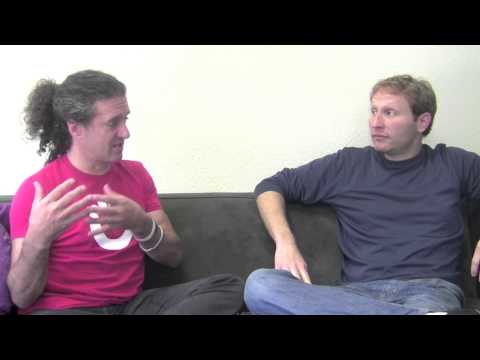
Two key components of a barefoot shoe (or minimalist shoe) are "drop" and "stack height."Drop is the height difference between the heel and ball of the foot. When you stand on the ground, your heel and feet are at the same height, which means "zero-drop."Stack Height is the thickness of whatever is under your foot.So you can have a zero-drop shoe that's has 1 foot of padding! Not very barefoot.Xero Shoes, as an example, are zero-drop and have a "stack height" of between 4-6mm... about as close to barefoot as you can get.(Flexibility is a whole other issue, but we'll deal with that later.)Here's a photo of the ultimate zero-drop, zero stack height shoe.I think I still might own these socks.;-)

Placeholder Image - Xero Shoes

Can I run barefoot in the cold?

I've posted a few times about running barefoot in the cold (or in Xero Shoes)... check out this link, for example. But, inspired by a video I just received from Andreas Cederström in Sweden, I thought you would enjoy this: (Pardon the lag between video and audio... weird Google Hangout effect) You can find Andreas' video on the Xero Shoes Facebook Page So, yes, you can handle the cold if you: Warm up indoors first Adjust your running pattern -- rather than a 5 mile run, do some 1/2 mile loops (getting warm inside between each 1/2 mile and, as you get more acclimated, make slightly bigger loops) Be smart! There are no bonus points for running barefoot on the snow to the point of getting frostbite. Add some toe socks or thick wool socks and a layer of protection, like Xero Shoes. BE REALLY SMART! If you get too cold. STOP! Give yourself time to acclimate -- you'll definitely get better and better at handling the cold over time. SERIOUSLY, BE SMART!!!! (get the hint?) 32-degrees (Fahrenheit) is rarely a problem for me... but ZERO... that's a whole other story. "Dry" powdery snow is way easier to tolerate than wet snow. In other words, adjust to reality ;-) The content of this post does not constitute and is not intended to be a substitute for professional medical advice, diagnosis or treatment. Always seek the advice of a physician or other qualified health provider with any questions or concerns you may have about your health or a medical condition.

Leg length differences and barefoot running

Leg length differences and barefoot running

Can you run barefoot if your legs are different lengths?This is a question I get at least once a week. And I think the answer may be surprising.Watch this video that I made with Joshua Gordon about barefoot running technique and leg length issues (and a LOT more). Then leave a comment below with your thoughts.EnjoyThe content of this post does not constitute and is not intended to be a substitute for professional medical advice, diagnosis or treatment. Always seek the advice of a physician or other qualified health provider with any questions or concerns you may have about your health or a medical condition.

Running with the Tarahumara in Costa Rica

Running with the Tarahumara in Costa Rica

Want to run with the Tarahumara (the Mexican tribe featured in Chris McDougall's bestseller, Born to Run)? Well, if you can't make it to the Copper Canyon, or anywhere else for that matter, here's the next best thing. Ultra runners Jonathan Sinclair and Melissa Gosse went to Costa Rica for La Ruta 100k, arguably the hardest trail ultramarathon in the world. About a dozen Tarahumara runners were there and Jon and Mel got to spend the better part of a week hanging out and running with them -- as well as swapping huaraches and Xero Shoes, eating, drinking, and much more. They'll be sharing pictures and stories as well as giving great tips about barefoot running, minimalist running, ultramarathon training, and anything you can think to ask about. You can also click on this link to watch live video chat we had with them a few months ago.
Minimalist Running and Riding - the Xero Biathlon

Minimalist Running and Riding - the Xero Biathlon

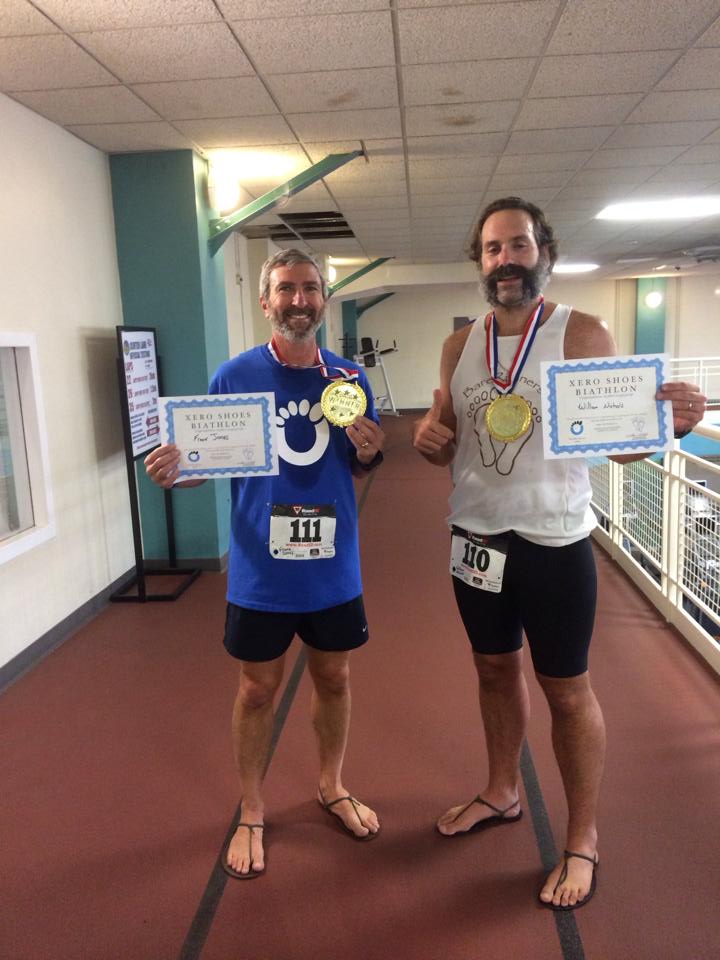
Want to run a race, but there isn't one scheduled?Want to tackle a biathlon (running and bike riding), but there isn't one in your neighborhood?Want to run barefoot or in minimalist shoes, but tired of people yelling, "You can't do that!" at you?Getting too cold for racing in barefoot-style sandals?Well, Frank Jones and William Nichols solved all those problems: They made their own Xero Shoes race!Here's the report:Inaugural Xero Shoes Bialthlon a Resounding Successby Frank Jones, Bare Runners News Scott Air Force Base, IllinoisAs they made their way to the medal ceremony, the sheer joy of victory remained etched in their faces. William Nichols and Frank Jones had just finished first and second in the Inaugural Xero Shoes Biathlon, sponsored by BareRunners.The event, which took place today at Scott Air Force Base, Illinois, was the brainchild of BareRunners founder, William Nichols. “Southern Illinois is a great locale for a variety of races and athletic events,” he told this reporter. “The goal of today’s race was to highlight and emphasize the healthy running benefits of minimalist running” or “barerunning” as Nichols and his fellow barefoot enthusiasts like to call it. To participate in today’s run, competitors were required to wear Xero Shoes. “The BareRunners love these shoes, and we encourage others to ‘feel the world’ with us!”, Nichols said.The Xero Shoes Biathlon was held entirely indoors at the Scott AFB Fitness Center. It began with a grueling five-mile sprint on stationary bikes. From there, it was a quick transition upstairs for a tough three-mile dash…52 mind-numbing laps around the indoor track! Spectators stood in awe as the competitors completed this epic battle. In the end, Nichols pulled ahead of Jones for an overall first-place finish. “I may have finished first,” he said, “but we are all winners!”Jones, a retired USAF colonel, and today’s runner-up, praised the event sponsors: “I'd like to thank [them] for putting on a great event!” He also credited his training partner, William Nichols, “for training with me, for always keeping me motivated, and for encouraging me to step out of my comfort zone.”Scott AFB Exercise Physiologist, Mr. Al Bromley, credits Nichols and Jones for the blossoming minimalist movement at the air base. “I see these guys every day, and I’m amazed at what they accomplish in these Xero Shoes!” he exclaimed. Bromley has been a strong supporter of the BareRunners, offering support and advice as more and more athletes kick off their shoes and run barefoot or minimalist.Congrats to both William and Frank for an impressive race!Here are some more photos of the triumphant duo.   
How to Adjust the Xero Shoes Sandals for a Perfect Fit

How to Adjust the Xero Shoes Sandals for a Perfect Fit

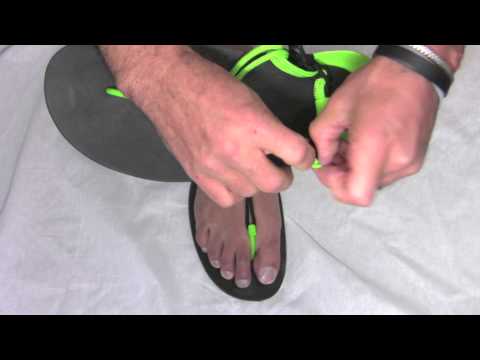
To get a just-right fit for your sandals, follow the instructions below. And if you need more help, feel free to reach out to our Customer Happiness Team at 303.447.3100 or support@xeroshoes.live For all of our sandals, you want to aim for "snug but comfortable." Z-Trek, Z-Trail and Naboso sport sandals   Aqua Cloud and Genesis huarache-style thong sandals   Veracruz sandal   Shortening the laces on the Aqua Cloud and Genesis If you tighten your heel lacing and end up with "too much lace", you can shorten the laces by following these instructions:  

Pat's Xero Loop Barefoot Sandal tying style

Barefoot Pat's Xero Loop Variation

Pat made a tweak to the Xero Loop style that you may like. His video is in French (with a couple of English words tossed in, like "slip on" ;-) ) First, a few tying tips and notes: Tying the Lace knot: This is the knot we most commonly use, especially with our 100% polyester laces. The "Lace Bead": This is the smallest "knot" you can make for your Xero Shoes. Tying a Figure-8 knot: If you have our original laces with the nylon core, you'll want to use this knot. Lacing tips: The basic running sandal tying pattern Barefoot Pat's Xero Loop Variation Notice that he also found it more comfortable to move the toe hole forward about 1/4"-1/2". This shows how flexible the huarache concept is; find what's best for you and enjoy! Step-by-Step instructions coming soon!
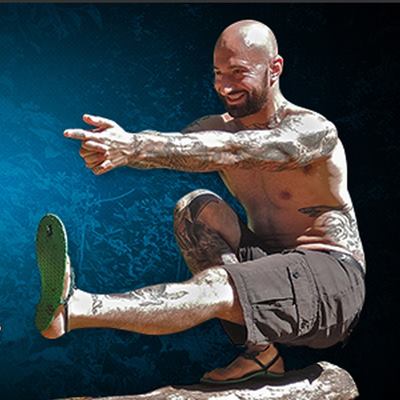
Al Kavadlo working out in Xero Shoes

Fitness Guru Al Kavadlo chats with Xero Shoes

I met (online) Al Kavadlo over 3 years ago and was really impressed with what he was teaching and how well he practiced what he preached. Al has been a big fan of Xero Shoes, sending us photos of him running through the streets of New York, across the Brooklyn Bridge, and performing all manner of impressive bodyweight exercises in his Xeros. Al is a master of body weight training and has put together some of the best coaching I've seen on that topic... something that we both agree every runner could benefit from. We got together thanks to Google Hangouts to have a chat. We didn't have an agenda, and didn't prepare anything in advance, and I'm sure you'll enjoy watching this conversation with Al that includes: Strength training without equipment Best strengthening exercises for runners The link between barefoot running and bodyweight exercise Can you go barefoot in New York? REALLY? A new way to bring fun -- and fitness -- into your running ... and a lot more Let us know what you think in the comments below. And check out Al's fitness products: Pushing The Limits -- one of the best books on the essential bodyweight exercises I've ever seen. Great photos, and not just because so many of them feature Xero Shoes! Raising The Bar -- everything you can do with a pull-up bar (it's a LOT). If you're more visual, then check out the Raising the Bar DVD. Progressive Calisthenics Workshop -- based on the principles in Convict Conditioning, a classic in the bodyweight strength game.